Rural Roots Sustain Thailand: Urban Growth Hits 54% by 2026
"The neon lights of Bangkok are pulling people in, but the quiet rice paddies of the provinces still hold the nation's heart."
Thailand is currently navigating a complex transition where modern metropolitan expansion meets a deeply rooted agricultural identity. While cities grow rapidly, the structural connection to rural life remains a defining characteristic of the nation's demographic landscape.
* Urbanization has steadily climbed from roughly 45% in 2010 to over 54% in 2026. * The population is shifting from high-growth expansion to a period of stabilization and aging. * A significant portion of the workforce remains tied to rural roots even as urban centers swell.
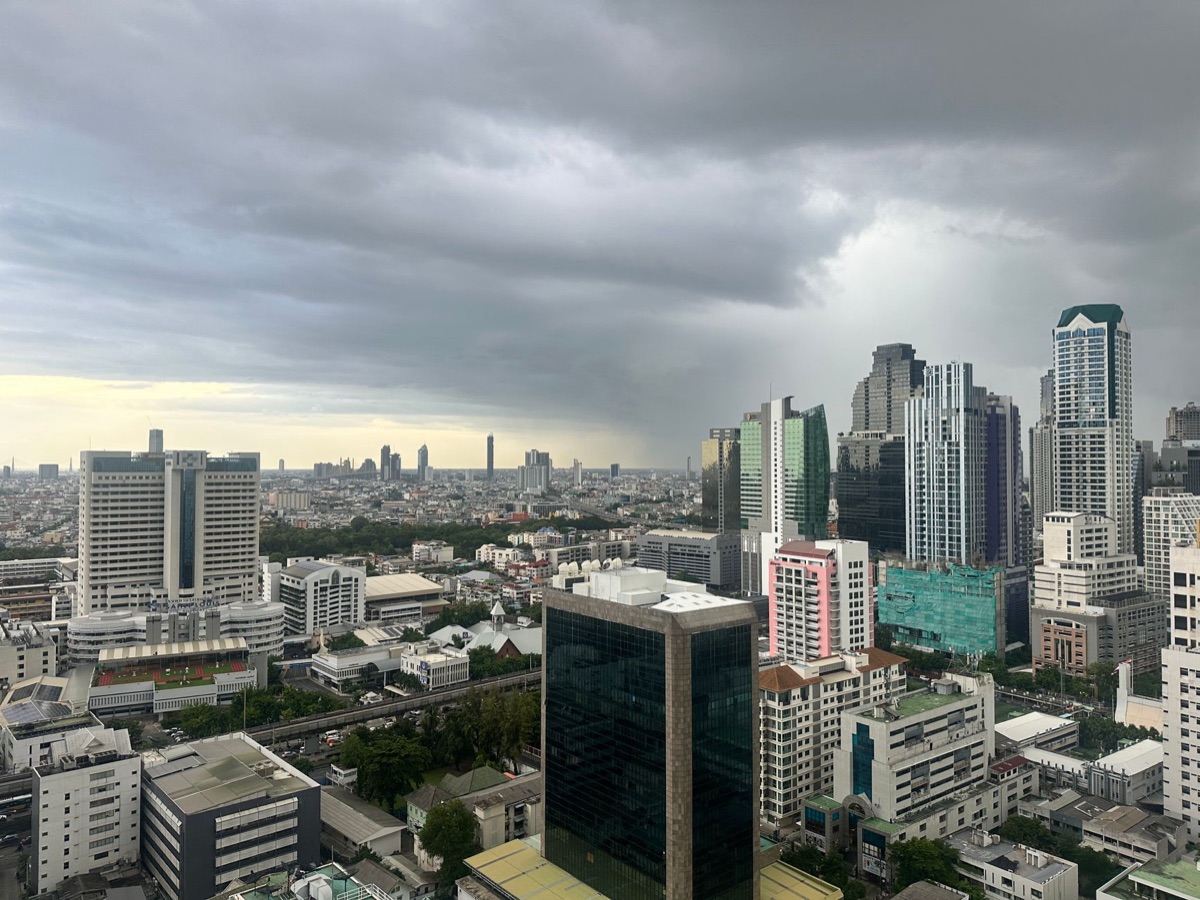
How has Thailand's urbanization pace evolved?
A traveler driving from the outskirts of Bangkok toward the northern provinces notices how the skyline slowly transforms from glass towers to endless stretches of green. The hum of the air conditioner in the car fades as the road begins to wind through more frequent patches of farmland.
In 2010, the urban population, which was primarily concentrated in the Bangkok Metropolitan Region, accounted for 45.7 percent of the total population according to the National Economic and Social Development Board (NESDB).
This figure highlights how much of the nation was still tied to non-urban living just over a decade ago.
As time progressed, the pull of industrial hubs and service sectors increased the proportion of people living in cities. By 2026, the urban population has grown to represent 54.27% of the total population, which equals 38,836,778 people.
This growth shows a clear trajectory from a largely rural society to one where more than half the population resides in urban environments. However, the sheer size of the remaining rural population ensures that the connection to the countryside remains vital to the national economy.
The movement from farms to factories has fundamentally altered the social fabric of the country.
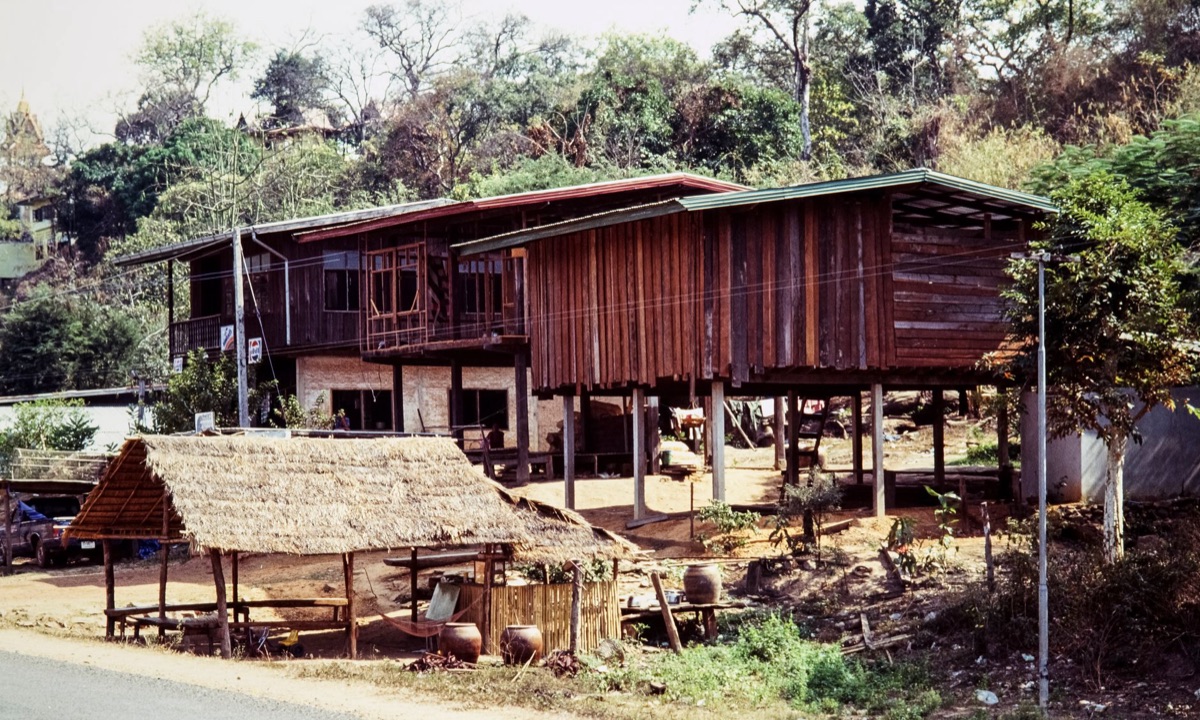
What does Thailand's population look like right now? A young professional sits in a crowded Bangkok cafe, scrolling through a smartphone, while a silent village in Isan remains largely empty of its youth. The clatter of spoons against ceramic in the city feels worlds away from the stillness of the provinces.
The total population of Thailand has reached 71,619,863 according to World Bank data for 2025. This massive group is distributed across a total land area of 510,890 square kilometers.
The current breakdown shows a clear split between urban and rural dwellers. While the urban population has reached 38,836,778 people, the remainder of the population continues to live in rural or semi-rural settings.
| Demographic Category | Value/Percentage |
|---|---|
| Total Population (2025) | 71,619,863 |
| Urban Population (2026) | 38,836,778 |
| Urbanization Rate (2026) | 54.27% |
| Total Land Area | 510,890 km² |
This distribution reflects a nation in flux, balancing the density of metropolitan life with the vastness of its provinces.
The sheer scale of the population requires significant infrastructure to manage the flow between these two worlds.
What is changing Thailand's population? A family gathering in a provincial home feels different now, with fewer children running through the house than in previous generations. I remember visiting a relative in the countryside last year, and the quietness of the empty rooms was striking compared to the noisy, crowded streets I am used to.
The stabilization of the population is largely due to successful family planning programs that lowered birth rates over recent decades. These programs helped transition the country from a period of rapid growth to a more controlled demographic state.
While the population was once expanding quickly, the growth rate has slowed significantly. This shift has led to an aging trend, where a larger percentage of the population is moving into older age cohorts.
This demographic transition creates a unique pressure on the workforce and the social safety nets provided by the state.
The aging population means the role of the younger, urban workforce is becoming even more critical to supporting the rural elderly.
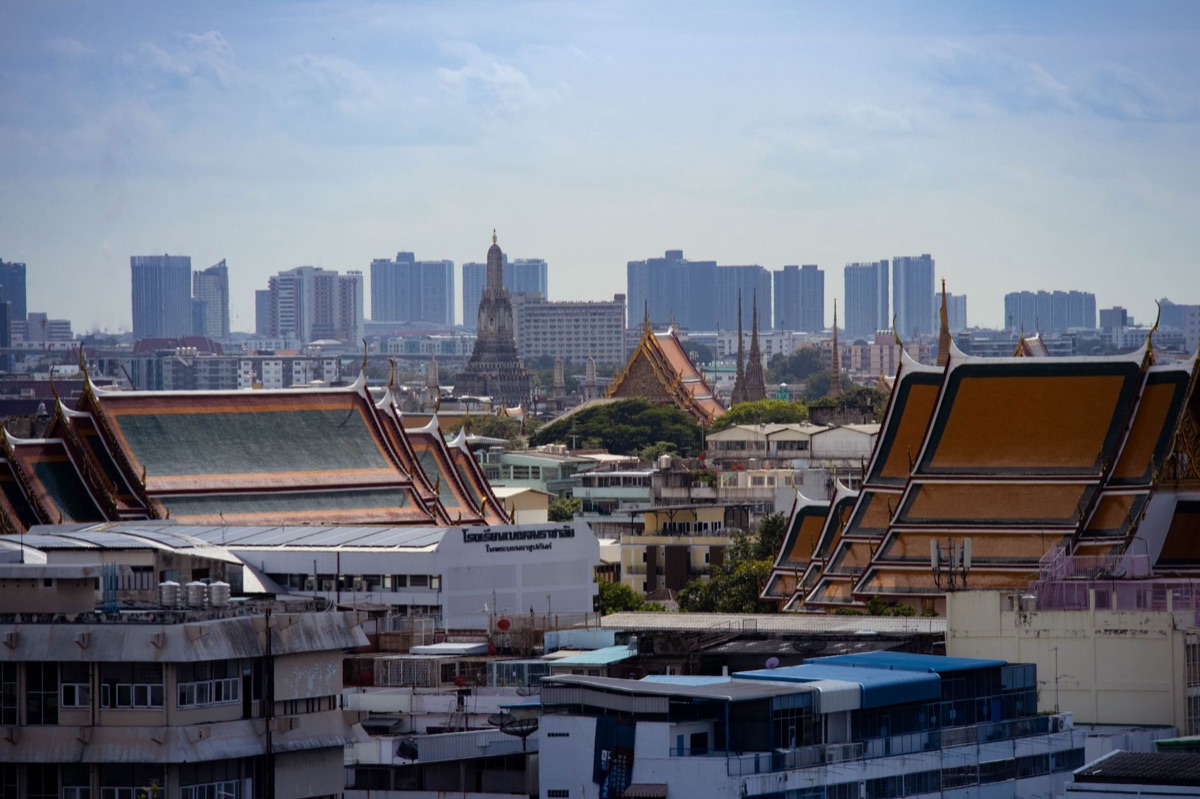
What is the relationship between urban centers and the rural base?
A truck loaded with seasonal produce moves along a highway, connecting a remote farm to a massive supermarket in the city. The driver checks his watch, knowing the timing must be precise to keep the goods fresh for the urban markets.
The relationship is defined by a tension between the traditional agricultural sector and the modern service and industrial sectors. While urban centers like Bangkok drive the GDP, the rural base remains the primary source of food security and labor.
Movement patterns often involve young adults moving from rural provinces to metropolitan hubs for work, often leaving the elderly to manage the family farms. This creates a "split" household structure where the economic engine is urban, but the cultural and land-based roots are rural.
The workforce is increasingly urbanized, yet the economic stability of many urban families still depends on the productivity of their rural homes.
This creates a cycle where urban wealth is often sent back to the provinces, sustaining the rural economy.
What are the future demographic challenges facing Thailand?
An empty classroom in a small-town school serves as a silent indicator of the changing times. The sunlight hits the empty wooden desks, highlighting the absence of the students who used to fill the room with noise.
The most significant challenge is the contractionary pressure on the working-age population. As birth rates remain low, there are fewer young people to enter the workforce to replace those retiring.
This low birth rate poses risks to long-term economic sustainability, as the dependency ratio shifts. A smaller group of workers will eventually be tasked with supporting a much larger elderly population.
To manage this, the nation must look toward technological integration and potential shifts in labor policy.
| Challenge | Impact |
|---|---|
| Workforce Contraction | Fewer active workers to drive the economy |
| Low Birth Rates | Increased dependency ratio (more elderly per worker) |
| Urban-Rural Gap | Potential for economic inequality between regions |
- Address the aging population through healthcare and social security reform.
- Integrate automation to supplement the shrinking manual labor force.
- Develop secondary cities to prevent over-concentration in Bangkok.
- Strengthen rural economies to provide better opportunities outside major hubs.
The future will require a delicate balance between managing urban density and revitalizing the provinces.

Comments 0