Why Thailand, a tourism giant, is transforming into a manufacturing hub
<!--img--> 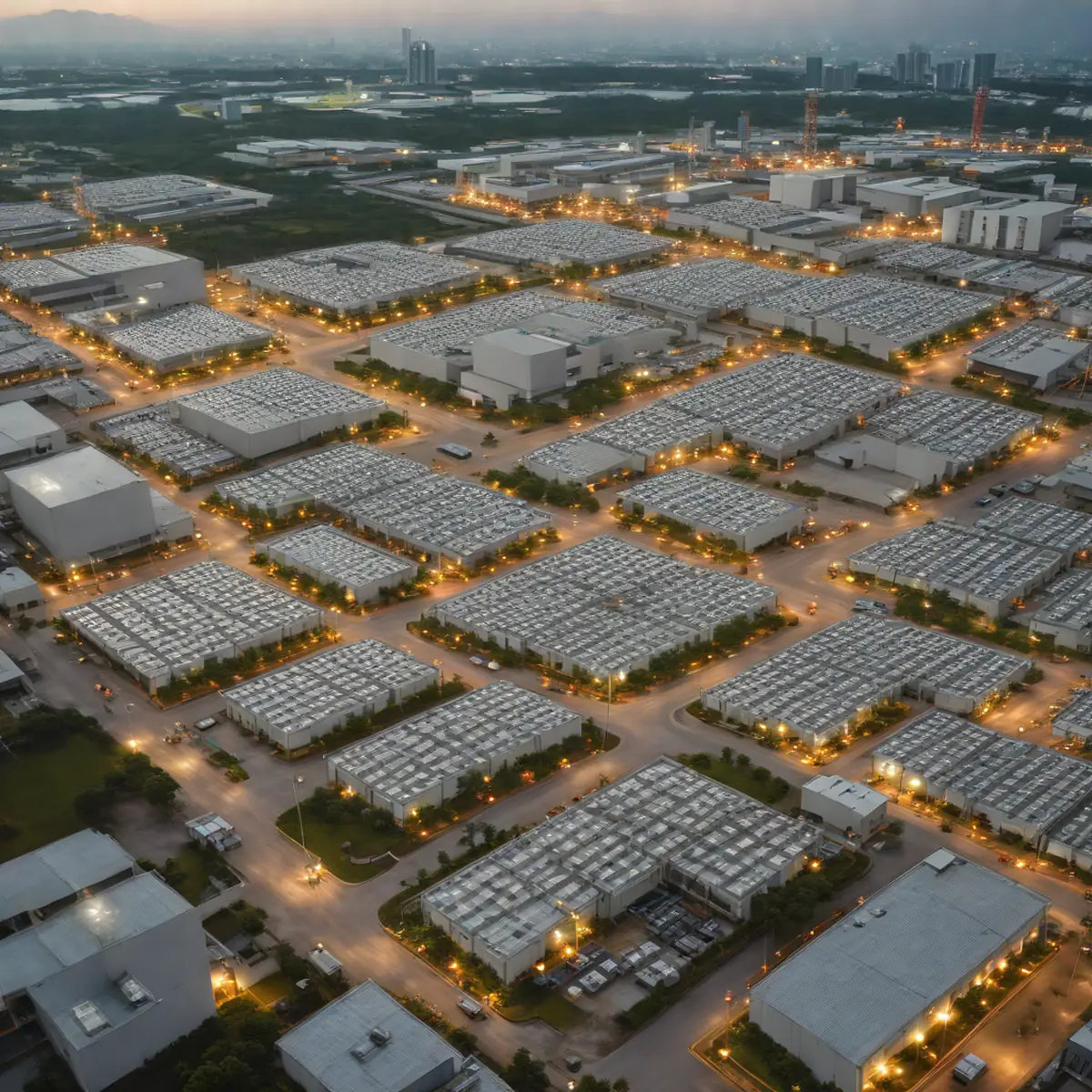
When thinking of Thailand, most people immediately picture Bangkok travel or Phuket relaxation. But today, Thailand is rapidly transforming beyond its familiar image as a tourism powerhouse—emerging instead as Southeast Asia’s new manufacturing hub. This shift, largely invisible to tourists, is fundamentally reshaping Thailand's future.
Electric Vehicles and Electronics: New Growth Engines
The Thai government is aggressively pushing the electric vehicle (EV) industry as a national strategic priority. By offering tax incentives and infrastructure support, it has successfully attracted global OEMs and battery manufacturers to establish production bases. This wave of investment is driving parallel growth in electronics and component industries. With industrial zones and logistics networks rapidly expanding around Bangkok, Thailand is clearly aiming to become "Southeast Asia’s Detroit."
Changes Travelers Can Actually Feel
It's not just industry that has changed—travel conditions have improved dramatically.
- Simplified Entry: Streamlined procedures have lowered the barrier for short-term visitors.
- Digital Payments: QR-based payments are now widespread, making it easy to travel without cash.
- Expanded Air Connectivity: More direct flights from South Korea have significantly improved accessibility.
- K-Culture Impact: The global popularity of Korean dramas and cuisine has boosted people-to-people exchanges between Thailand and South Korea.
Closer Than Ever to South Korea
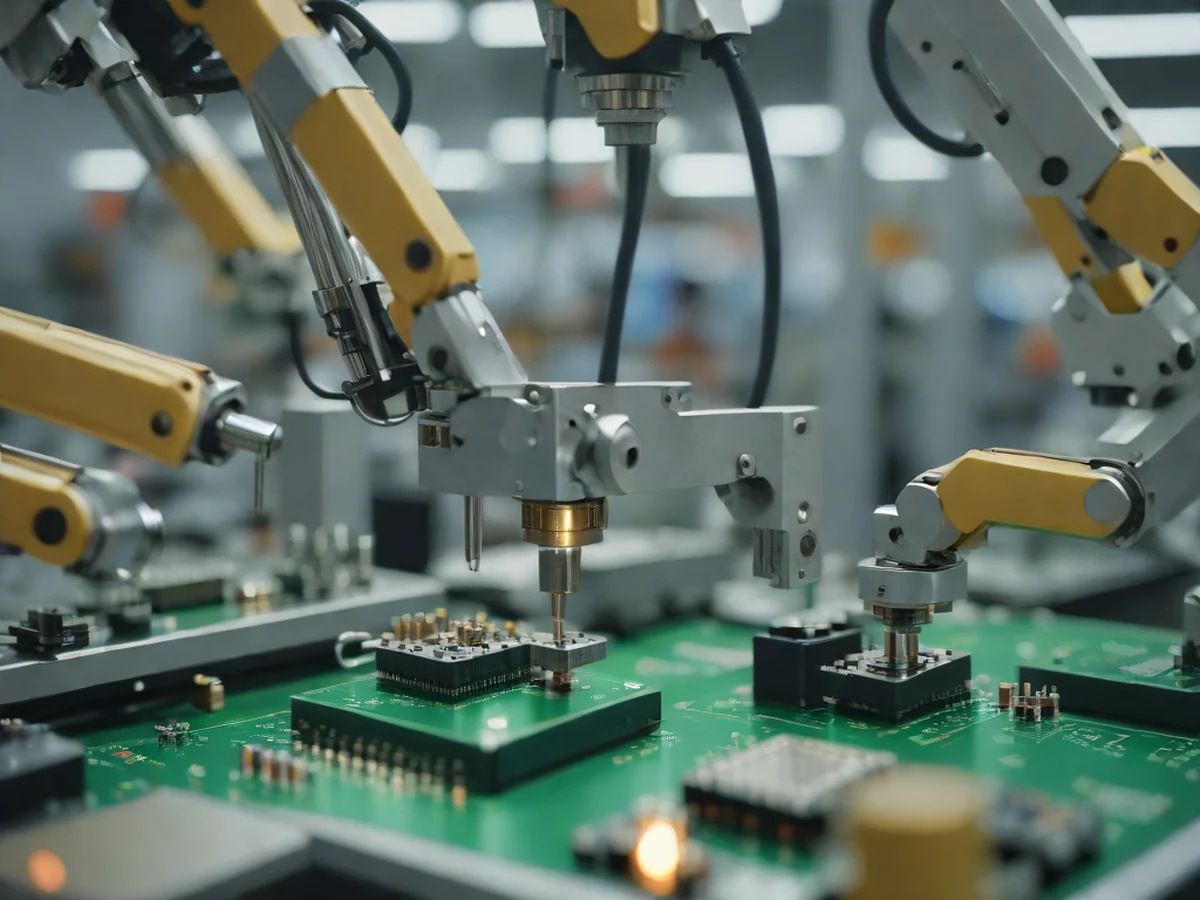
Thailand is increasingly becoming a destination for Korean businesses, with growing numbers of Korean companies establishing manufacturing bases there. As a result, expat communities and business networks are flourishing—offering rich insights into daily life and investment opportunities.
To tourists, Thailand is a paradise; to businesses, it’s a production hub; and to investors, it's a high-growth market. The country offers entirely different opportunities depending on your perspective.
Why Thailand—And Not Another Country?
While Southeast Asia has many nations, Thailand uniquely combines two powerful advantages: geographic centrality and a well-established industrial foundation. Its automotive and electronics supply chains have been developing for decades, supported by solid logistics infrastructure—ports, highways, and airports. When combined with the government’s consistent industrial development strategy, this has created a predictable environment that makes Thailand an attractive and reliable destination for investment.
Frequently Asked Questions
Q. Isn’t Thailand still mostly a tourism country? Tourism remains a major pillar, but manufacturing and logistics are rapidly increasing in importance. The old image of Thailand as "just a tourist destination" is fading fast. Today, it's best understood as a dual-engine economy—tourism and industry moving in tandem.
Q. Are there tangible benefits for travelers now? Absolutely. Payments, transportation, and flight options have become much more convenient. Urban infrastructure around industrial zones has also improved significantly—making city travel and business trips far more comfortable than before.
Quick Summary
- Thailand = Tourism + Manufacturing, both growing simultaneously
- EVs and electronics are the new growth drivers, backed by strong logistics infrastructure
- Travel experience is rapidly modernizing—digital and air travel-focused
- For South Korea, Thailand offers not just new markets for consumption and cooperation, but also strong investment opportunities
Thailand has shifted from being "a country to visit" to becoming "a nation to watch."
Thaitoday delivers balanced coverage of Thailand—spanning travel, economy, investment, culture, and daily life—to give you a clear picture of today’s Thailand.
<!--enr--> ## Quick Comparison
| Aspect | Item A (Tourism-Centric) | Item B (Transition to Manufacturing Hub) |
|---|---|---|
| Core Industry | Tourism, recreation, and leisure-focused | Electric vehicles, electronics components, logistics-driven manufacturing |
| Government Policy | Expansion of tourism infrastructure | Tax incentives and infrastructure investment to attract EV industry |
| Industrial Ecosystem | Hotel, resort, travel agency-centered | Network of OEMs, battery manufacturers, and supporting suppliers |
| Traveler Experience | Traditional tourism destinations | Enhanced convenience through digital payments, increased flights, and simplified entry procedures |
| International Positioning | Leading tourist destination in Southeast Asia | Emerging as the "Detroit of Southeast Asia" – a major manufacturing hub |
Frequently Asked Questions (FAQ)
Q1. Why is Thailand emerging as an electric vehicle manufacturing hub? Thailand has become a leading EV production hub due to strong government support for the electric vehicle industry, including expanded tax incentives and infrastructure investments that have successfully attracted global automakers and battery manufacturers to establish production bases. This has also driven growth in the electronics and component sectors.
Q2. How is Thailand’s industrial expansion affecting travelers? Traveler convenience has significantly improved. Easier travel experiences are now possible thanks to widespread QR payment adoption, simplified entry procedures, increased direct flight routes, and enhanced infrastructure around industrial cities—making both tourism and business travel more comfortable and efficient.
Q3. Why are Korean companies choosing to expand into Thailand? Thailand offers a predictable investment environment due to its strategic geographic location, established automotive and electronics component supply chains, robust logistics infrastructure, and consistent government commitment to industrial development.
Q4. What risks are associated with Thailand’s shift from tourism-focused to manufacturing-centered growth? While transitioning, maintaining a balance between the tourism and manufacturing sectors is critical. However, both industries have continued to grow in tandem so far, leading analysts to view this dual development as a sustainable growth model.
Comments 0