Thailand farming new tech: Guide to digital connectivity
"The digital landscape is shifting rapidly, and the intersection of connectivity and industry is redefining traditional production methods."
Thailand is currently navigating a transition toward higher efficiency through digital connectivity and manufacturing advancements. This shift involves leveraging high internet penetration and a growing high-technology export sector to modernize traditional sectors.
Key takeaways include a high rate of internet connectivity, a significant share of high-technology exports, and the economic complexities of regulating agricultural inputs.
How is Thailand using connectivity for Thailand farming new tech?
A farmer sits in a sun-drenched field, checking a smartphone to monitor weather patterns. With a recorded share of internet users at 90.9% in 2024, according to World Bank data, the foundation for digital tools is firmly in place.
This widespread connectivity allows for the seamless integration of data-driven tools into daily field management.
The high level of connectivity provides a platform for various digital solutions. Smart farming Thailand relies heavily on this widespread access to information. By utilizing mobile data, producers can access real-time market prices and weather updates.
The ability to transmit data from sensors to a central hub is a cornerstone of modernizing Thai farms. High-yield Thai agriculture requires precise data to manage resources effectively. This digital bridge connects remote rural areas to global information networks.
However, the effectiveness of these connectivity tools remains limited in remote areas with poor signal coverage.
What role does manufacturing play in Agri tech Thailand boost?
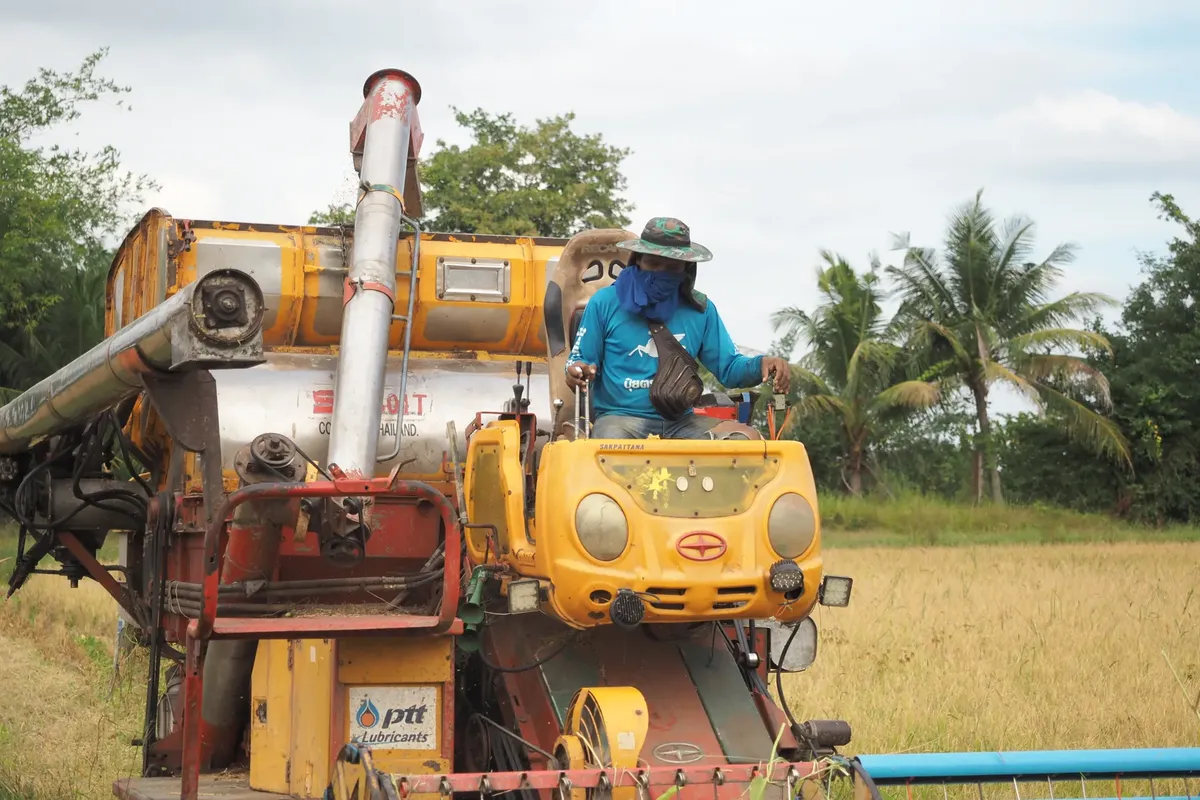
A technician inspects a specialized piece of equipment in a bright factory setting. According to World Bank data, Thailand recorded a high-technology share of manufactured exports of 28.3% in 2024.
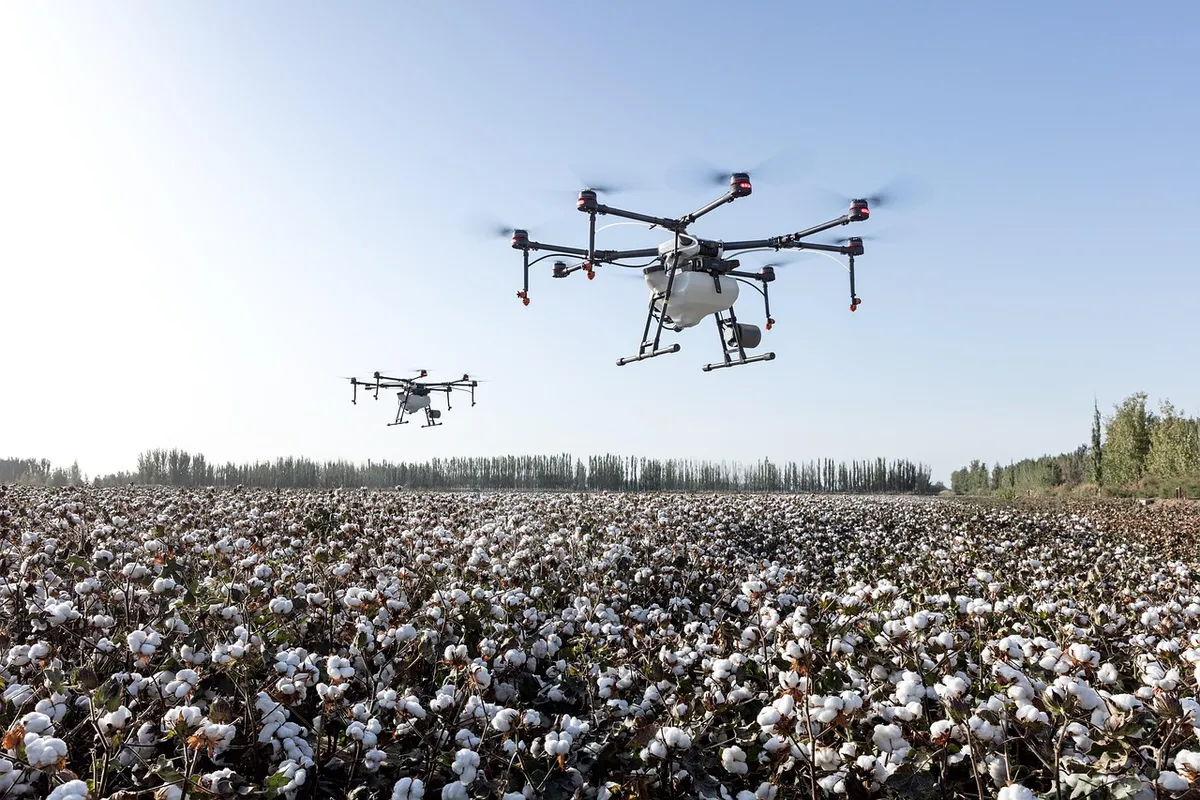
This manufacturing strength suggests a capacity to produce or integrate sophisticated hardware into the field.
The intersection of manufacturing and agriculture creates opportunities for localized hardware solutions. Agri tech Thailand boost efforts often involve repurposing industrial precision for field use. This synergy helps bridge the gap between traditional labor and automated systems.
Developing domestic tools can reduce reliance on expensive imports. Precision agriculture Thailand relies on specialized sensors and automated machinery. The existing manufacturing base provides a vital starting point for these technological advancements.
The second point in this discussion highlights the integration of hardware production.
How do economic shifts impact the field?
A policymaker reviews a thick report at a wooden desk, considering the weight of economic consequences. The Agriculture Ministry and the Industry Ministry have previously noted that a paraquat ban alone would lead to 40 billion baht in losses for the agricultural sector.
According to statistics by the UN Food and Agriculture Organization, the annual growth rate of agricultural mechanization in China is 6.4%.
These economic realities shape how new technologies are adopted.
Transitioning away from traditional chemicals requires viable technological alternatives. Shifts in regulation can drive or hinder the adoption of new tools. The economic impact on the agricultural sector remains a primary concern for decision-makers.

Balancing environmental goals with economic stability is a constant challenge. The loss of revenue from specific chemical bans forces a look at more efficient alternatives. These financial pressures often accelerate the search for smarter production methods.
Nevertheless, these shifts may not yield significant benefits during periods of extreme market volatility.
What are the energy considerations for modern farms?
A solar panel reflects the bright morning sun over a vast field. According to World Bank data, Thailand recorded a renewable energy share of final consumption of 19.0% in 2021. Integrating renewable energy into farming operations can lower long-term costs.
Sustainable energy sources can power remote irrigation and sensor networks. This shift toward renewables supports a more resilient agricultural infrastructure. Harnessing natural energy helps mitigate the costs of traditional power.
The move toward cleaner energy is a gradual process. While renewable energy is growing, traditional power still plays a role. Integrating these sources into farming requires careful planning and initial investment.
The second step in balancing energy needs is the most complex.
How can farmers adopt these changes?
A group of workers gathers around a new automated irrigation controller. To move toward a more efficient system, producers can follow these steps:
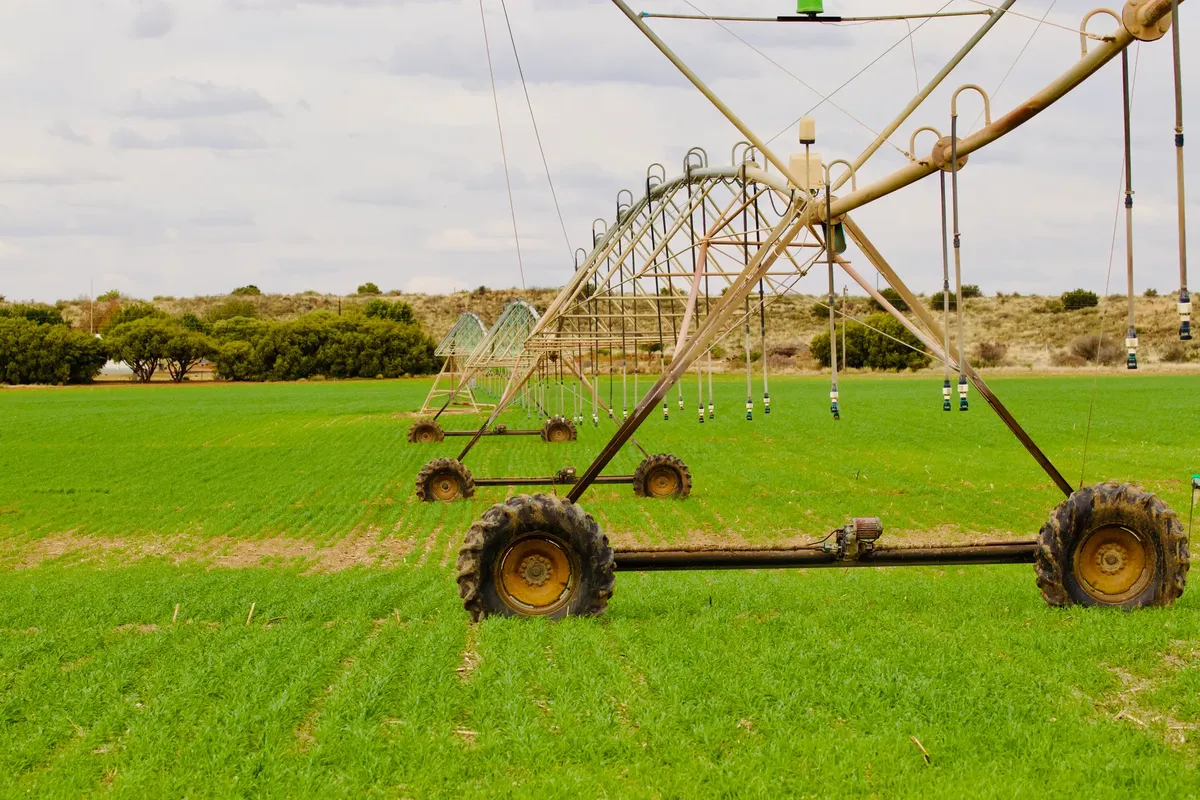
- Establish reliable digital connectivity through local service providers. 2. Invest in high-technology tools that align with existing manufacturing capabilities. 3. Evaluate the economic impact of transitioning from traditional inputs to new technologies.
A final check involves ensuring that the cost of new technology does not outweigh the projected yield improvements. I noticed that the initial investment in digital tools can be a significant barrier for smaller operations.
- Assess current resource usage.
- Implement incremental technological updates.
- Monitor the impact of new tools on yield.
The subject here is Thailand farming new tech.
The same subject is also called High yield Thai agriculture.
AI in Thai crop production
Related
- How is the Thai travel industry plan targeting new regions?
- Thai Festival Success: Best Ways to See 50,000 Visitors
How does the digital landscape influence regulatory adaptation? The digital landscape allows policymakers to monitor resource usage in real time, which informs regulatory adjustments regarding agricultural inputs. This oversight capability assists in managing the complexities surrounding chemical bans. Policymakers can observe the adoption rate of alternatives when traditional chemical use is restricted.
This data-driven approach supports the balancing act between environmental goals and economic stability. When the digital landscape provides clear metrics on usage, the impact of regulatory shifts becomes more quantifiable for decision-makers.
The ability to track adoption rates helps gauge the success of new technological mandates.
This limitation applies only when regulatory frameworks fail to keep pace with rapid technological shifts.
What are the conditions for successful tech adoption in the digital landscape? Successful adoption hinges on producers establishing dependable digital connectivity across their operations. Furthermore, the integration of high-technology tools must align with the existing manufacturing capabilities present in the region. Producers must also conduct thorough evaluations of the financial implications of switching from established practices to novel technologies.
The initial investment in digital tools presents a caution, especially for smaller operations within the digital landscape. Ensuring that the projected yield improvements justify the upfront cost is a necessary condition for moving toward more efficient systems.
This financial prudence guides the path of technological integration.




Comments 0