90.9% internet users fuel Thailand's democratic future
"The struggle for liberty is often a slow thaw, where the cold grip of authority slowly gives way to the warmth of civic participation."
Thailand is currently navigating the complex aftermath of heavy-handed governance as it attempts to rebuild its democratic identity. This transition involves addressing the scars left by previous military rule while leveraging a highly connected population to push for systemic change.
Key Takeaways: * The legacy of the National Council for Peace and Order (2014–2019) continues to shape the current political landscape. * High digital connectivity, reaching over 90% of the population, serves as a catalyst for civic engagement.
* The transition involves balancing economic stability with the historical struggle for voting rights and institutional integrity.
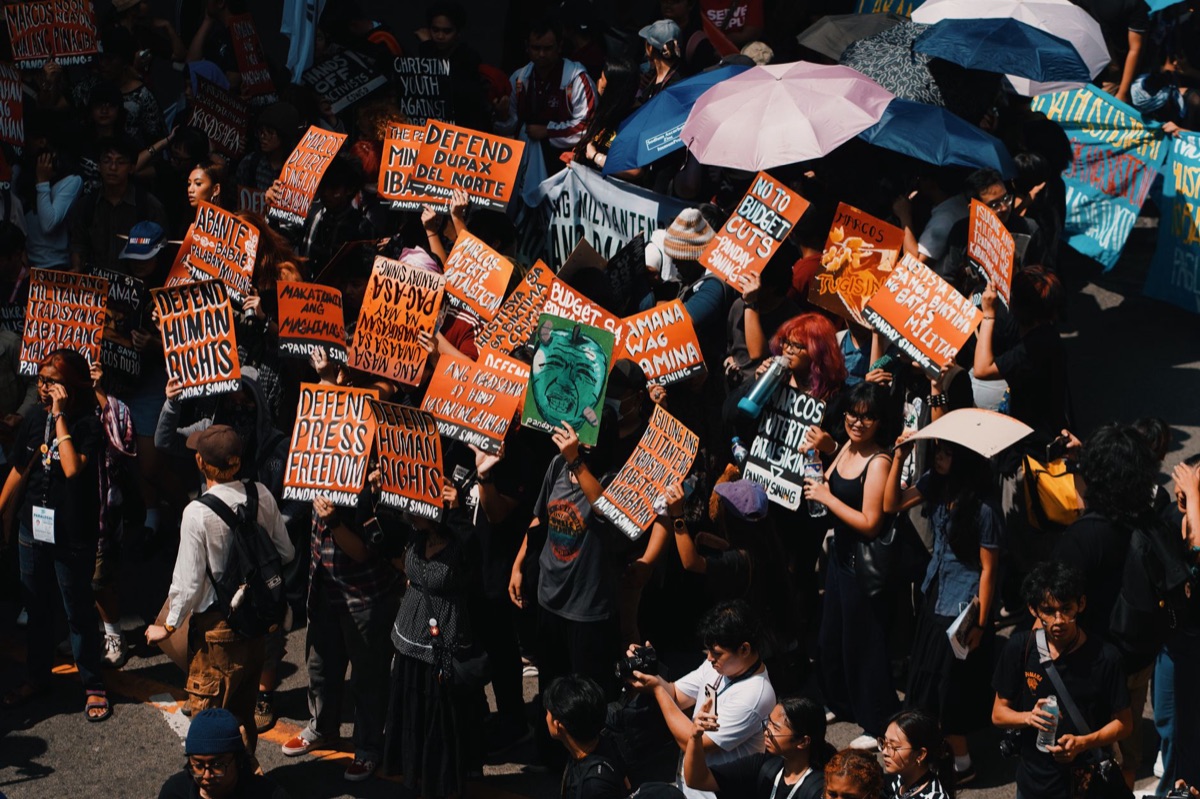
How does the shadow of the junta linger?
The heavy boots of soldiers once echoed through the streets of Bangkok, leaving a silence that felt heavy in the humid evening air. The legacy of the National Council for Peace and Order (2014–2019) continues to shape the current political landscape.
According to the National Council, a military junta calling itself the National Council for Peace and Order ruled the country between 2014 and 2019.
This period of military-led governance established legal frameworks and institutional structures that remain in place today. These remnants influence how elections are managed and how political parties operate within the current system.
When I first traveled through the provinces during the transition, I noticed how the local administrative structures seemed to mirror the centralized authority of the previous years. It was as if the old hierarchy had simply changed its uniform.
The struggle for reform is not just about changing leaders; it is about dismantling the structural remnants of the past. But these structures are often deeply embedded in the very fabric of the state.
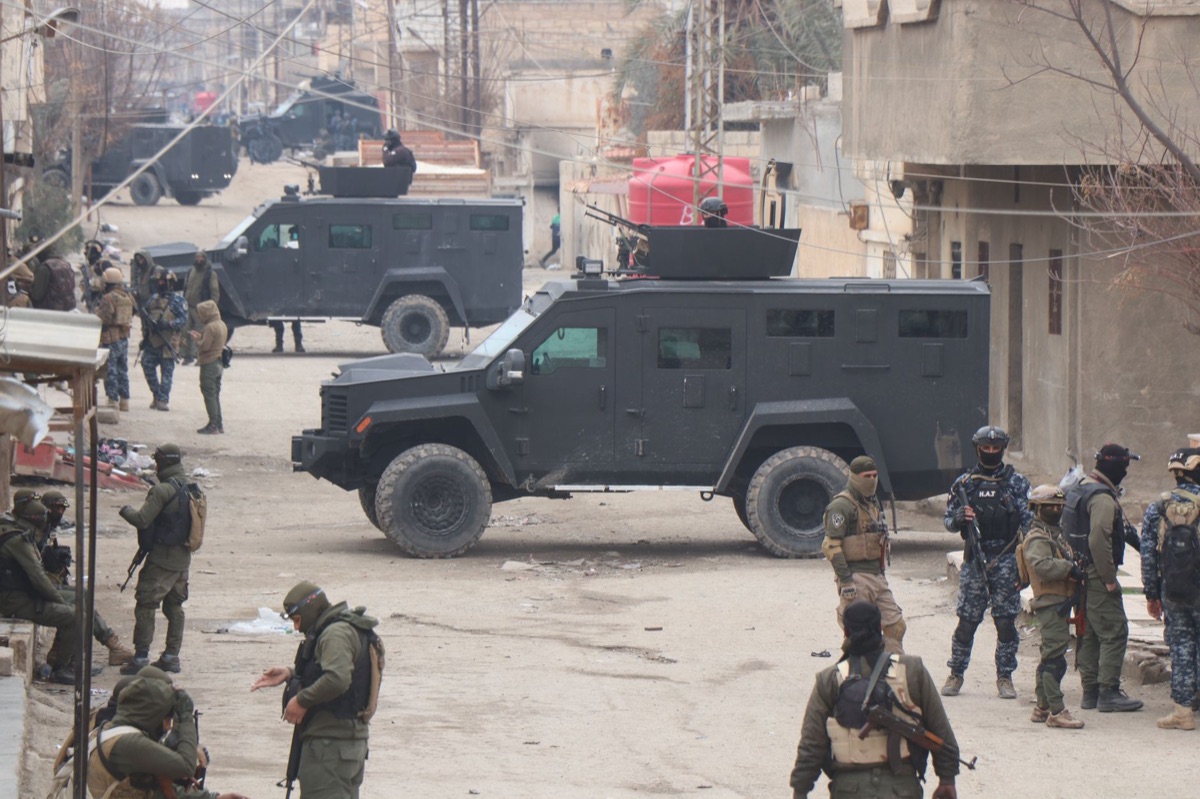
Why does digital connectivity change the game?
In a dimly lit cafe in Chiang Mai, a young student taps rapidly on a smartphone, eyes scanning a feed of political news. High digital connectivity, reaching over 90% of the population, serves as a catalyst for civic engagement.
According to the World Bank, Thailand recorded share of internet users of 90.9% in 2024.
This widespread access to information allows for real-time monitoring of political developments and rapid mobilization of public opinion. It bypasses traditional gatekeepers that once controlled the flow of information.
| Feature | Traditional Governance | Digital-Era Civic Engagement |
|---|---|---|
| Information Flow | Top-down/Controlled | Decentralized/Instant |
| Mobilization | Physical/Slow | Digital/Rapid |
| Oversight | Institutional/Formal | Citizen-led/Informal |
While the internet provides a platform for voices that were once silenced, it also introduces new complexities. The battle for influence has moved from the town square to the digital screen.
How can citizens navigate the path to reform?
In a quiet community center, a group of elders gathers around a wooden table to discuss the implications of new local regulations. Navigating the transition requires a clear understanding of how to engage with shifting legal landscapes.
According to the Political Institut, in 67 countries where dictatorships have fallen since 1972, nonviolent civic resistance was a strong influence over 70 percent of the time.
To work toward systemic change, citizens often follow a structured approach to engagement:
- much-needed education on constitutional rights and legal frameworks.
- Active participation in local governance and community-level decision-making.
- Digital literacy training to discern credible information from misinformation.
- Coordinated advocacy through civil society organizations and interest groups.
This checklist helps individuals move from passive observation to active participation. However, even with these steps, the most significant hurdles remain.
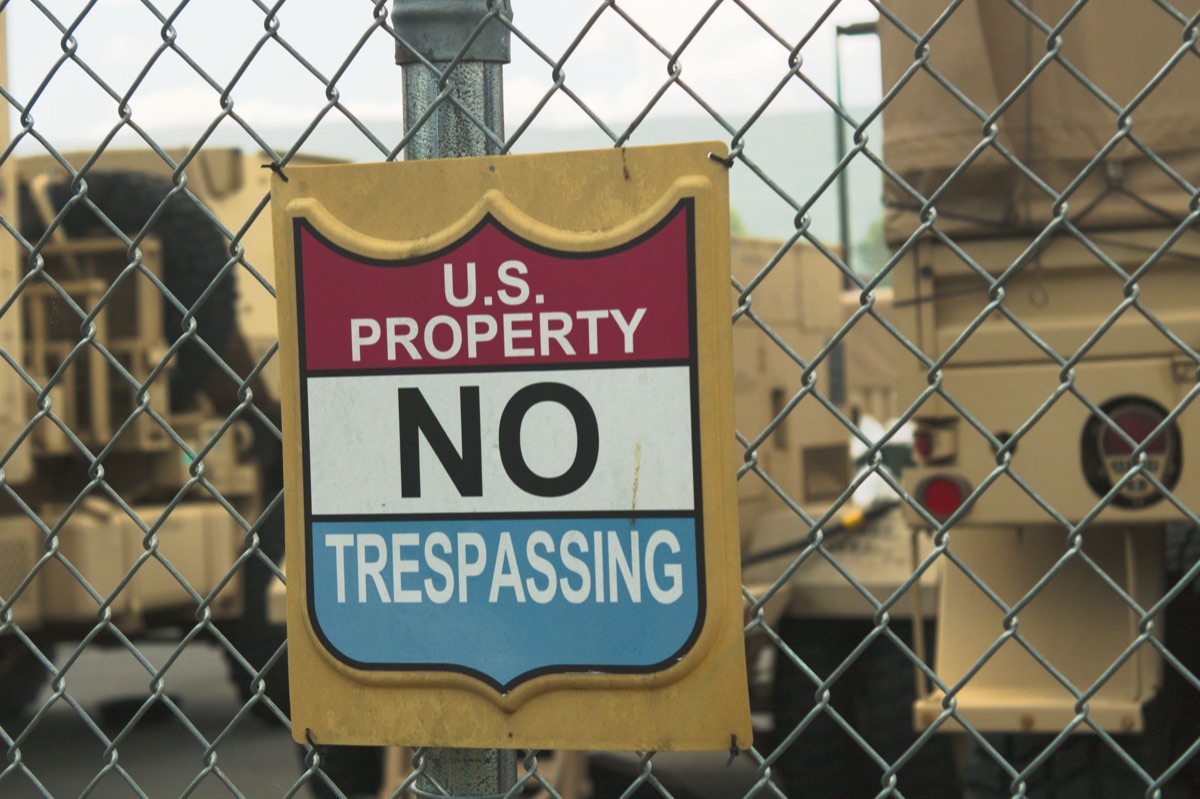
What are the real differences between stability and liberty?
In the early morning fog of a rural village, a farmer looks toward the horizon, wondering if the new laws will affect his land rights. The transition involves balancing economic stability with the historical struggle for voting rights and institutional integrity.
The tension between maintaining order and expanding freedoms is the central conflict of the modern era. While stability can provide the predictability needed for economic growth, it often comes at the cost of individual agency.
In my own observations, I have seen how economic prosperity can sometimes be used as a justification for delaying democratic reforms. This creates a delicate balance that many nations struggle to maintain.
The tension between these two concepts often leads to sudden shifts in political direction. This brings us to the most difficult question of all.
Why does the struggle feel so constant?
In a bustling market, the sound of vendors shouting competes with the distant hum of city traffic. The struggle for liberty is often a slow thaw, where the cold grip of authority slowly gives way to the warmth of civic participation.
The constant friction between old guard institutions and new democratic impulses ensures that the political landscape is never truly static. This cycle of tension and reform defines the path forward.
The struggle is not a single event but a continuous process of negotiation between the state and its people. This reality means that progress is rarely linear.

What are the limits of this transition?
In a quiet library, a researcher flips through thick volumes of legal history, looking for precedents. It is important to recognize that these processes are not universal and do not apply to every political context.
The ability to transition smoothly depends heavily on existing institutional strength, economic resources, and the level of social cohesion. Without these factors, the struggle can lead to instability rather than reform.
Success is not guaranteed, and the path taken by one nation cannot be blindly applied to another. The nuances of local history always play a decisive role.
Related




Comments 0