How the Thai State Defines Identity for Minority Groups
"Despite official narratives of national homogeneity, Thailand harbors a complex mosaic of ethnic communities whose social status and recognition remain highly nuanced."
While the central government often projects an image of a unified identity, the reality of the Thai social landscape is defined by a layered hierarchy of citizenship and cultural recognition.
This article explores the distinction between officially recognized groups and those living on the fringes of the state, the impact of linguistic diversity on social mobility, and the specific demographic breakdowns of the nation's minority populations.
KEY TAKEAWAYS * Official recognition often depends on regional identity and linguistic roots. * The distinction between citizenship and cultural identity shapes social mobility. * Understanding the layered hierarchy of the state is essential for grasping the true social landscape.
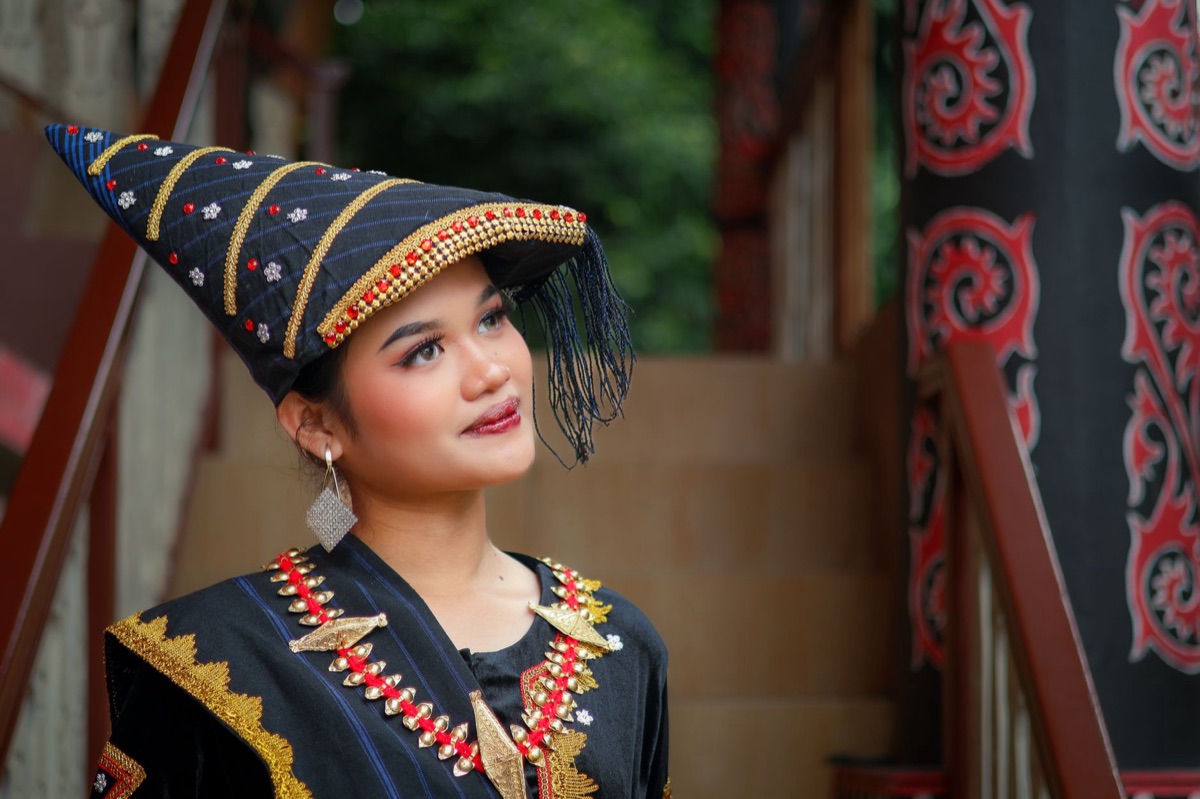
How does identity shape the social landscape?
At dusk in the bustling night market, the heavy scent of grilled meat drifts through the humid air as a traveler pauses to catch their breath.
Walking through a crowded night market in Bangkok, the smell of grilled meat fills the air as people from every corner of the country converge. You might see a face that looks local, but the subtle accent or the way they carry themselves might tell a different story of migration and heritage.
According to the Mahidol University Ethnolinguistic Maps of Thailand data, the 2011 Thailand Country Report provides population numbers for mountain peoples and ethnic communities in the northeast. According to World Bank data, Thailand recorded a share of internet users of 90.9% in 2024.
While the central government often projects an image of a unified identity, the reality of the Thai social landscape is defined by a layered hierarchy of citizenship and cultural recognition.
The distinction between officially recognized groups and those living on the fringes of the state remains a critical factor in social mobility.
When I traveled through the northern provinces, I noticed how the ease of integration often depended on how closely one's community aligned with the central cultural identity.
This layered reality creates a complex social fabric where identity is often as much about legal status as it is about tradition.
But how does this layered identity translate into the everyday struggle for recognition?
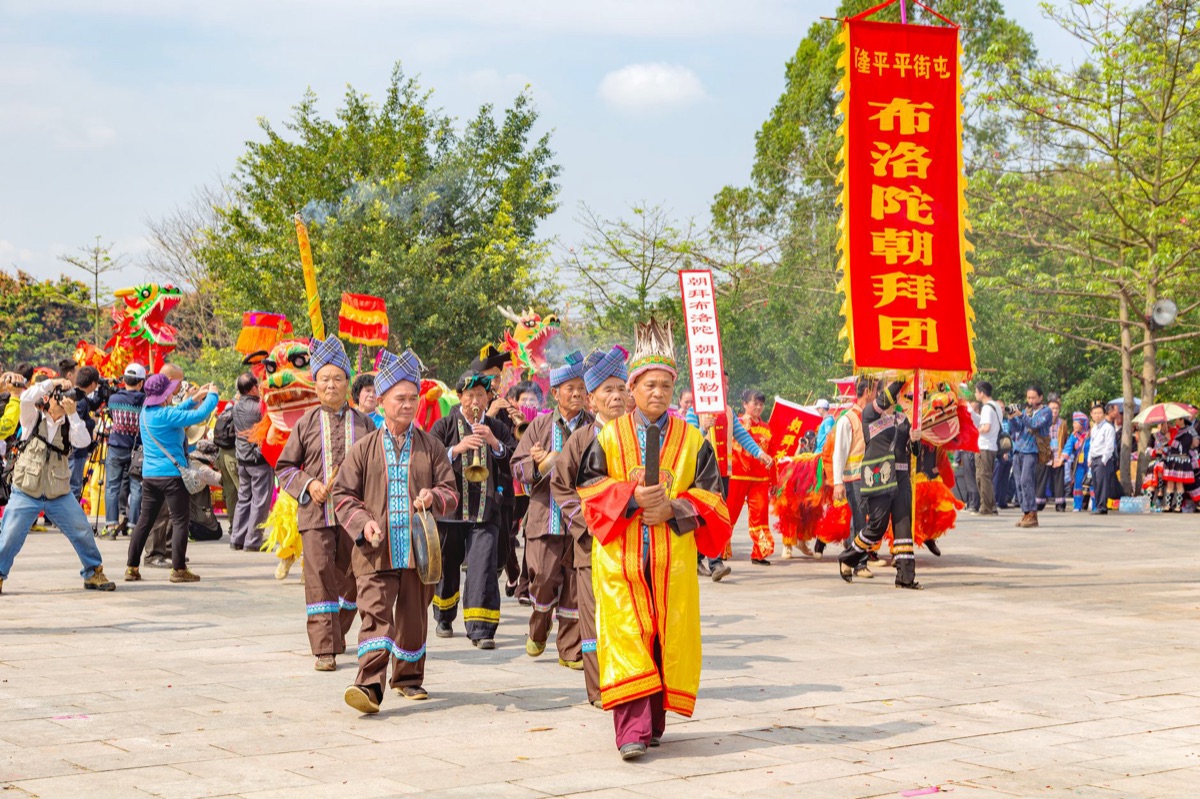
Why does the distinction between groups matter?
Sitting in a quiet community hall in a remote province, the elders gather to discuss local affairs under the dim light of a single bulb. The conversation shifts between the needs of the community and the requirements of the state, highlighting the tension between local tradition and national law.
The distinction between officially recognized groups and those living on the fringes of the state is central to understanding the nation's social dynamics. While some communities enjoy seamless integration, others face hurdles in accessing education, healthcare, and political participation.
This distinction often rests on the intersection of linguistic diversity and historical settlement patterns. The impact of linguistic diversity on social mobility can determine whether a person's heritage is viewed as an asset or a barrier to advancement.
However, the struggle for recognition often leads to a deeper question of how the state manages its diversity.
How does linguistic diversity impact social mobility?
In a bustling classroom in a border town, a teacher struggles to bridge the gap between the national language and the native tongues spoken by the students. The children look between their textbooks and their parents, navigating two different worlds of communication every single day.
Linguistic diversity can act as both a bridge and a barrier to social mobility. In urban centers, fluency in the national language is often the primary key to economic success, while in more remote regions, local dialects remain the heartbeat of community life.
The tension between these linguistic worlds can lead to significant disparities in educational outcomes and job opportunities. When the state-sanctionaged language becomes the only gatekeeper to success, minority groups may face systemic disadvantages.
The problem, however, is not just about what people speak, but how they are officially categorized.
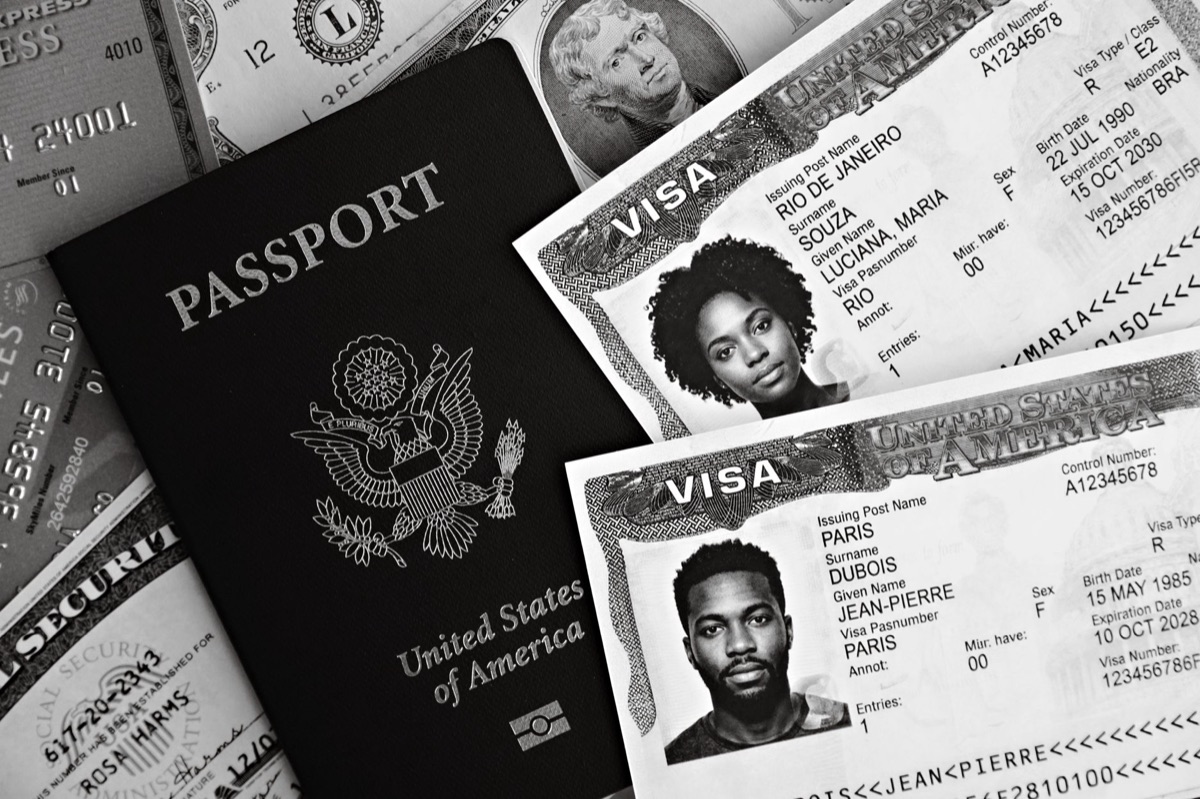
How is the hierarchy of citizenship defined?
Standing in a long queue at a local government office, the heat of the afternoon sun presses down as people wait for hours to process paperwork. The quiet tension in the room reflects the high stakes of identity, as a single stamp can change a person's life forever.
The hierarchy of citizenship is often defined by the ease of proving one's roots within the national framework. Some groups possess clear, documented histories that grant them full access to state resources, while others exist in a state of perpetual verification.
This layered hierarchy of citizenship and cultural recognition shapes the life trajectories of millions. The ability to move between the fringes of the state and the center of power often depends on the strength of one's official documentation.
To understand how to navigate these complex social structures, one must follow a clear process of understanding.
- Identify the distinction between legal citizenship and cultural identity within the community.
- Evaluate how linguistic proficiency affects access to national-level institutions.
- Analyze the historical context of regional settlement to understand current social standing.
- Recognize the role of documentation in bridging the gap between the fringes and the center.
But even with a clear understanding, the practical application of these insights remains difficult.
What are the limits of official identity?
Looking out over a vast, mountainous landscape during a late afternoon trek, the sheer scale of the terrain makes the borders between nations feel almost invisible. The wind carries the sounds of distant villages, where the identity of the people is tied more to the land than to any map.
Official identity often fails to capture the nuanced realities of ethnic diversity. While the state may recognize certain groups, the lived experience of those communities often involves navigating complex layers of tradition and law that the official records ignore.
This mismatch between official narratives and local realities can lead to social friction. When the state's definition of identity does not match the community's self-perception, the potential for misunderisstanding grows.
This leads us to the final question of how these dynamics impact the future of the nation.
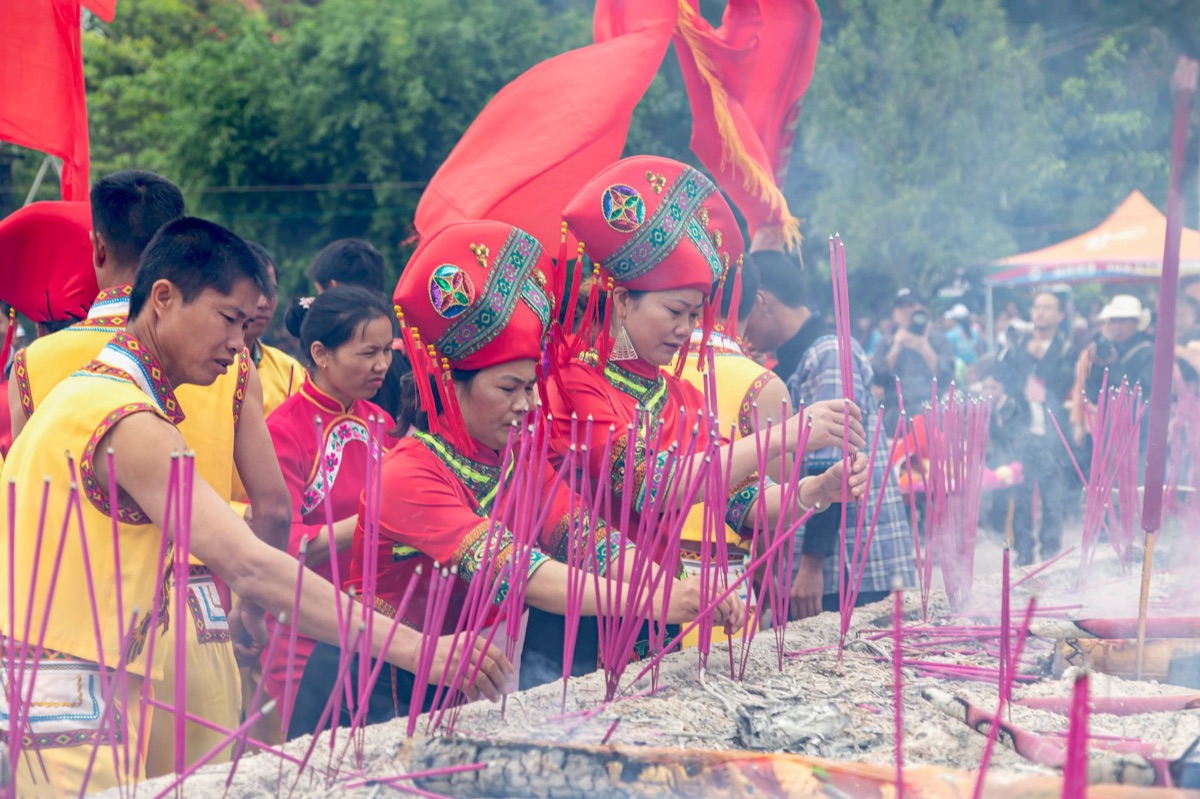
How does the social mosaic shape the future?
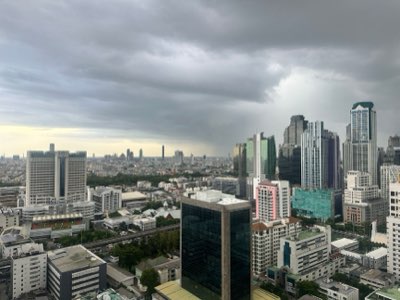
As the sun sets over a bustling city skyline, the lights of the metropolis begin to twinkle, masking the complex social layers underneath. The city grows upward, absorbing different cultures into its steel and glass, yet the old hierarchies remain embedded in the social fabric.
The complex mosaic of ethnic communities will continue to shape the nation's trajectory. The ability of the state to balance national unity with the preservation of diverse identities will determine the stability of its social landscape.
As the population shifts and the economy evolves, the tension between the center and the fringes will remain a defining feature of the social contract. The resolution of these identity-based struggles will ultimately define the strength of the national identity.
Related

Comments 0