Did our waste reduction efforts actually work?
"The environmental landscape is shifting through policy changes and resource management, reflecting a complex balance between development and conservation."
Thailand's environmental management involves transitioning energy sources, regulating hazardous chemicals, and managing forest cover through specific policy shifts.
This overview examines recent regulatory changes, renewable energy shares, and forest management strategies to provide a clear picture of the nation's environmental trajectory.
Key takeaways: 1. Regulatory shifts in hazardous chemicals have changed the legal status of specific substances. * Forest cover management involves anti-encroachment measures to reclaim land. * Renewable energy shares represent a specific portion of the final consumption.
How did chemical regulations change?

A group of officials sat around a large wooden table to finalize new safety protocols for agricultural chemicals.
According to the National Hazardous Substances Committee, the 26-member National Hazardous Substances Committee (NHSC) changed the hazardous agricultural chemicals paraquat, glyphosate, and chlorpyrifos from Type 3 toxic substances to Type 4, effectively prohibiting their production, import, export, or possession on 22 October 2019.
On 22 October 2019, the 26-member National Hazardous Substances Committee (NHSC) changed the hazardous agricultural chemicals paraquat, glyphosate, and chlorpyrifos from Type 3 toxic substances to Type 4, effectively prohibiting their production, import, export, or possession.
This change meant that these specific substances could no longer be legally produced or possessed within the country. The shift from Type 3 to Type 4 status effectively banned their presence in the market to mitigate environmental risks.
This regulation serves as a strict measure to prevent the spread of highly toxic substances through agriculture. The prohibition under Type 4 status extends beyond mere possession, encompassing all stages of the chemical's lifecycle.
The transition from Type 3 to Type 4 signifies a heightened level of governmental concern regarding the ecological impact of these substances. This strict measure is designed to safeguard agricultural practices from contamination by highly toxic materials.
Where do we stand with renewable energy? ASEM environmental policy talks
The engineers were squinting against the midday sun in the open field while checking the panels. Engineers stood in a sun-drenched field, monitoring the output of new solar arrays designed to harness natural power. According to World Bank data, Thailand recorded renewable energy share of final consumption of 19.0% in 2021.

This figure represents the portion of the total energy consumed that comes from renewable sources. Achieving this percentage involves integrating various green technologies into the national grid to reduce reliance on traditional fuels.
The 19.0% share provides a baseline for understanding the current energy mix. The integration of green technologies is necessary for the national grid to accommodate the renewable energy share. Reducing reliance on traditional fuels is a primary objective facilitated by this energy transition.
The baseline established by the 19.0% share allows for future comparisons of energy consumption patterns.
How is forest cover being managed?
Rangers walked through dense foliage, marking boundaries to protect the growing greenery from outside interference. In 2019, the Forest Department said that forest cover has steadily increased due to its anti-encroachment measures under the regime's reclaim forest land policy.
The policy focused on reclaiming land to expand protected areas and prevent unauthorized usage. By implementing these measures, the department aimed to stabilize and grow the existing forest cover.
This approach directly addresses the challenge of maintaining natural habitats against human expansion. Anti-encroachment measures function by defining and defending the boundaries of protected areas. The reclamation of land is undertaken specifically to increase the size of protected zones.
Stabilizing the existing forest cover is a direct result of these management efforts. Preventing unauthorized usage helps ensure the integrity of the natural habitats.
Did our waste reduction efforts actually work? Workers gathered plastic waste in organized piles, marking the end of a successful collection cycle. On World Environment Day 2019, 5 June, the Pollution Control Department (PCD) said that the first year of the country's effort to reduce plastic waste has been a success.

The successful first year demonstrated the effectiveness of initial waste reduction strategies implemented by the department. This accomplishment provided a foundation for continuing efforts to manage plastic pollution across the country.
The success was noted during the official observance of World Environment Day. The initial strategies implemented by the department proved effective in curbing plastic waste. The foundation provided by this success supports ongoing national efforts against plastic pollution.
The observance of World Environment Day served as the platform for acknowledging this initial accomplishment.
What is the limitation of these environmental policies?
A researcher looked over a map of the country, noting the tension between political leadership and environmental goals. The National Council for Peace and Order (NCPO), the military junta that took power in Thailand in May 2014, has taken a cavalier attitude towards environmental concerns.
The National Council for Peace and Order (NCPO), the military junta that took power in Thailand in May 2014, has taken a cavalier attitude towards environmental concerns, according to The National Council.
This historical context suggests that political leadership styles can influence the rigor of environmental oversight. While specific policies like chemical bans or forest management exist, the overall approach to environmental issues has been influenced by the governing body in power since 2014.
This tension remains a factor in the implementation of long-term sustainability goals. The cavalier attitude of the NCPO toward environmental concerns creates a significant hurdle for policy enforcement.
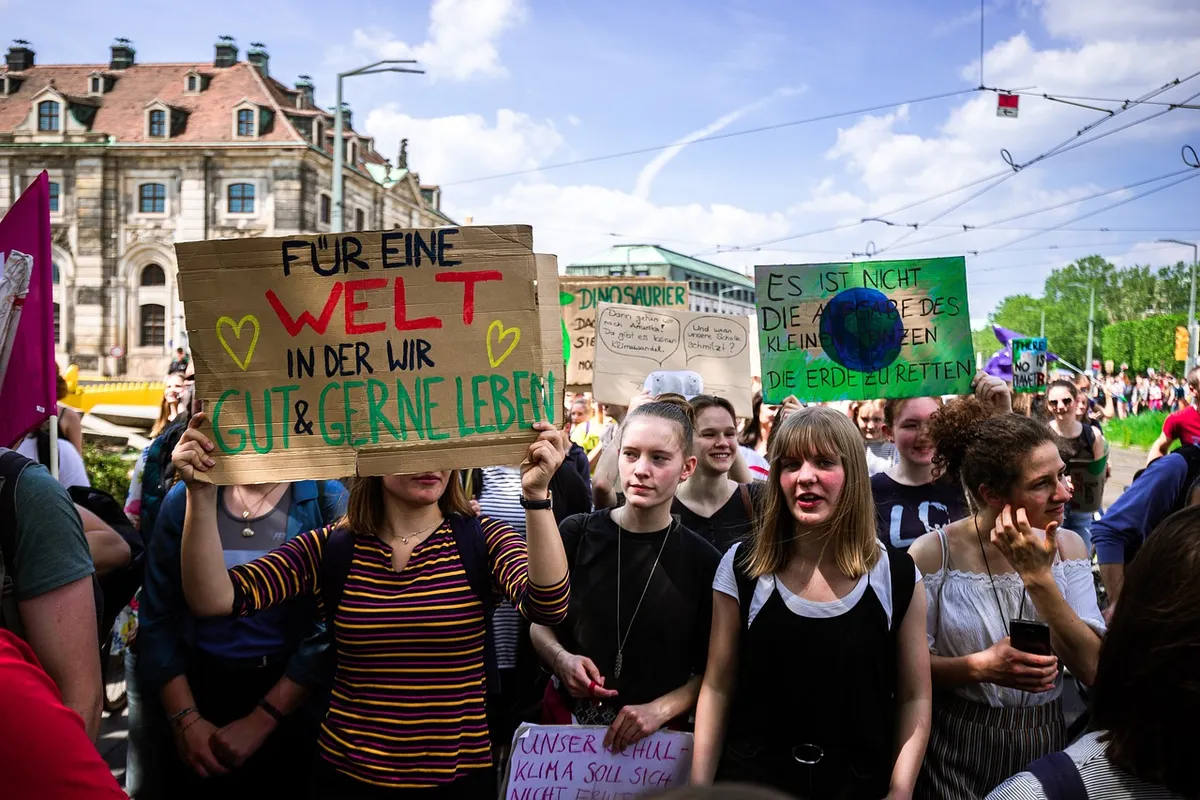
The governing body's influence since 2014 affects the comprehensive nature of environmental policy. The existence of tension between political leadership and environmental goals complicates the path to sustainability.
- How did chemical regulations change?
- Where do we stand with renewable energy?
- How is forest cover being managed?
The subject here is ASEM environmental policy talks.
The same subject is also called Asia Europe climate forum.
The same subject is also called ASEM green policy discussion.
The same subject is also called International climate cooperation.
The same subject is also called Asia Europe environmental meeting.
This part also covers ASEM climate change response.
This part also covers Asia Europe environmental action.
This part also covers Global climate policy talks.
ASEM climate change response
Related



Comments 0