Thailand green energy tech: Best ways to manage fuel mix
"The transition toward a cleaner future requires a strategic shift in how nations manage their natural resources and technological investments."
Thailand is currently navigating a complex energy transition by diversifying its fuel sources and expanding renewable energy deployment. The nation aims to reach a 51% renewables share by 2037 to reduce its reliance on traditional fuels.
Key takeaways: * Current energy supply is heavily dependent on oil and natural gas. * Bioenergy serves as the primary renewable source for electricity and thermal energy. * Policy goals focus on long-term diversification to reach specific renewable targets.
How is Thailand green energy tech evolving?
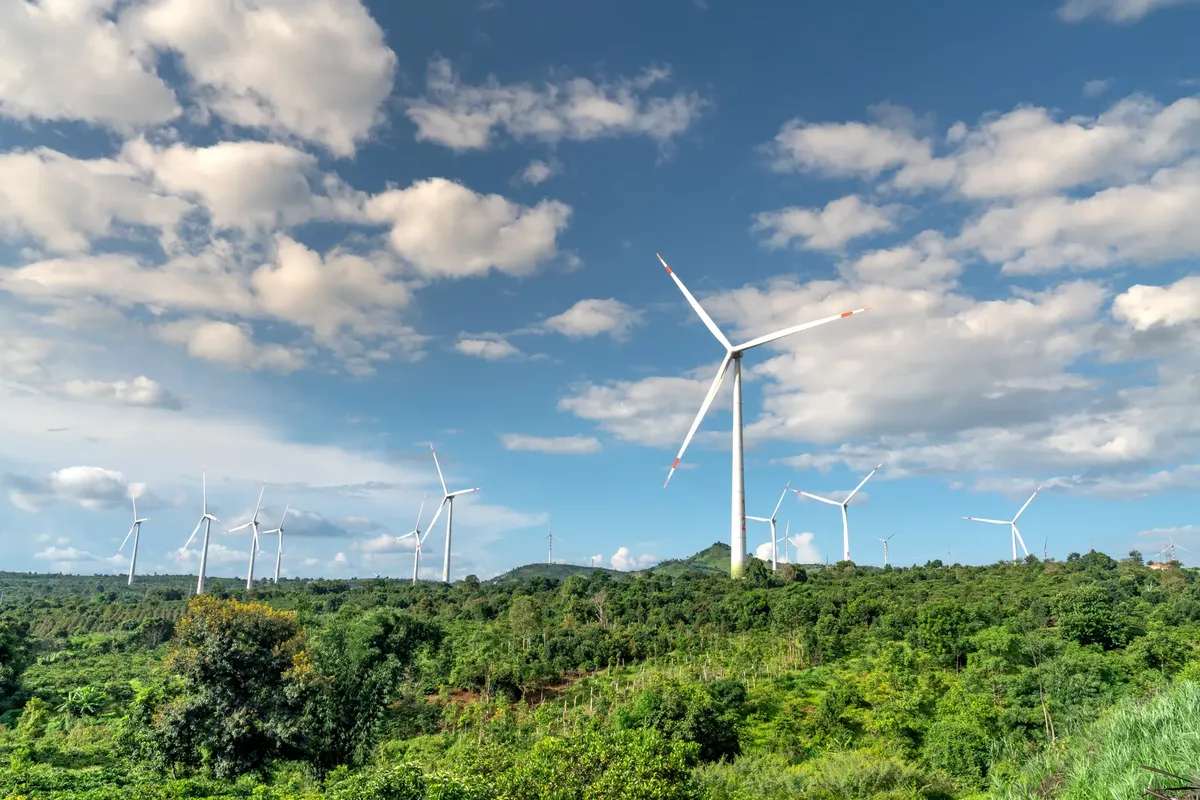
A technician adjusts a solar panel in the bright sun, looking toward the horizon where wind turbines might one day stand. The pursuit of Thailand green energy tech involves balancing existing fossil fuel reliance with aggressive new targets.
According to the National Research Council of Thailand, the country devoted 1.1% of its GDP to the research and development of science in 2019, with over 166,788 full-time equivalent research and development personnel that year.
According to World Bank data, Thailand recorded a renewable energy share of final consumption of 19.0% in 2021. This baseline provides the starting point for the nation's long-term energy transition.
The current energy landscape is shaped by existing dependencies. Oil and oil products make up 41% of Thailand's total energy supply, while natural gas makes up 27% of the total energy supply and fuels approximately 64% of the country's electrical power generation.
With three quarters (79.5%) of total crude oil supply being imported, the push for domestic alternatives is vital. The transport sector consumes almost 48% of oil products, making fuel diversification a necessity for economic stability.
- Integration of smart grid technologies to manage variable loads.
- Deployment of advanced energy storage systems.
- Expansion of digital monitoring tools for renewable assets.
What is the future of Thai energy?
An engineer reviews a digital map of the power grid, noting the flow of electricity from various sources. Planning for the future of Thai energy requires a structured approach to move away from imported fuels.

Thai energy policy emphasises the diversification of fuel sources and increased renewable energy deployment, aiming for 51% renewables share by 2037. This target represents a significant shift in the national energy profile.
To reach these goals, the country must manage several moving parts: 1. Diversifying fuel sources to reduce import dependency. 2. Increasing the deployment of renewable energy technologies. 3. Scaling up domestic production to meet growing demand.
A final check of the long-term roadmap ensures that these targets align with national economic stability.
In this sequence, the second step is the most extensive.
According to World Bank, the 2024 record includes 90.9%.
How does solar power in Thailand contribute to the mix?
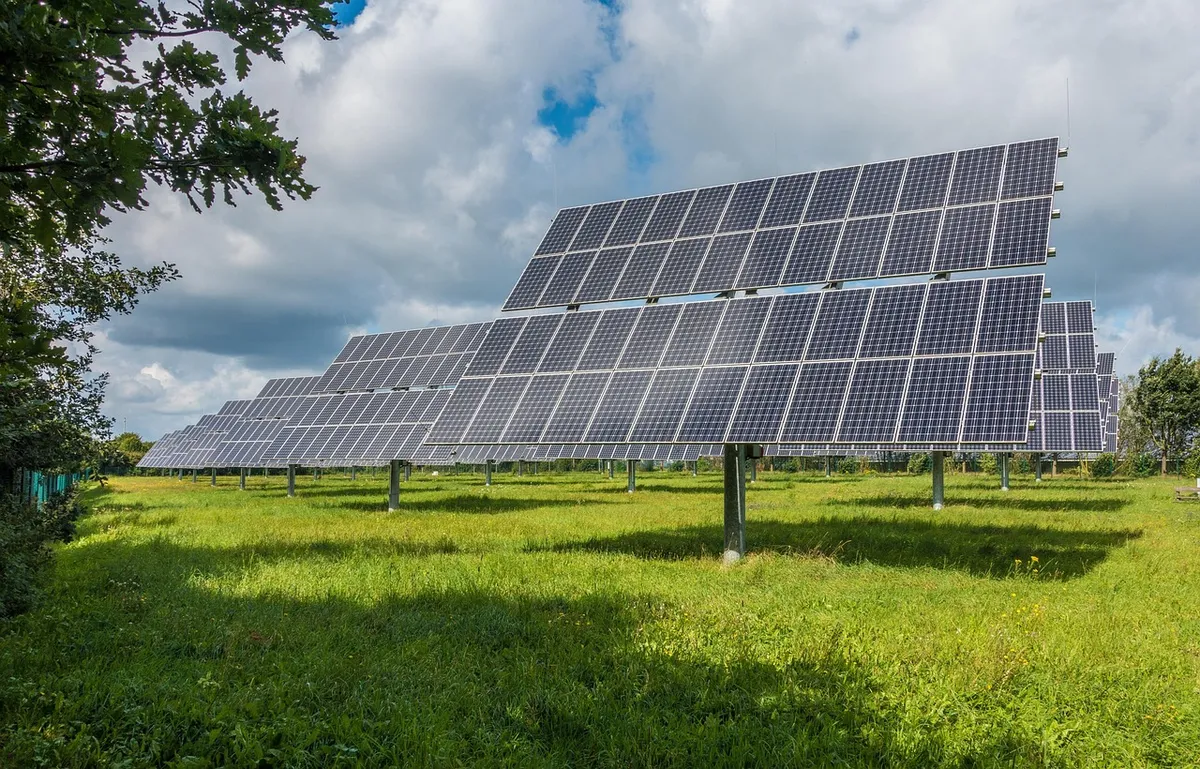
A worker wipes dust from a glass surface, ensuring maximum light absorption for a solar cell. While larger sources dominate, solar power in Thailand currently makes up around 3% of the country's power generation.
The role of solar is part of a broader push to integrate various renewable technologies.
Currently, bioenergy is the most used renewable source in Thailand, producing up to 60.7% of the country's renewable electricity, 98% of its renewable thermal energy, and nearly 100% of its renewable transportation fuels.
Natural gas remains a dominant force in the current mix, making up 32% of Thailand's domestic energy production. This existing infrastructure provides the stability needed while the country scales up newer technologies.
What is the role of Thai energy innovation in biomass?

A farmer gathers corn husks in a field, preparing them for processing. The potential for Thai energy innovation lies in utilizing the country's vast agricultural output to create sustainable fuel.
Bioenergy's dominance in the renewable sector is driven by agricultural resources. Specifically, 80% of Thailand's biomass energy is derived from agricultural byproducts such as corn husks and byproducts from sugarcane crops.
This reliance on organic matter allows for a unique energy profile. The transition relies on converting these byproducts into reliable power to meet the 2037 goals.
What is the status of Thai clean power growth?
A technician monitors a control panel in a quiet power plant. Achieving consistent Thai clean power growth requires managing the transition from gas-heavy generation to a more balanced mix.
Natural gas currently provides a massive portion of the energy supply. The Erawan gas field in the Gulf of Thailand supplies about 20% of Thailand's gas production, highlighting the importance of domestic gas sources.
Coal also plays a role in the current energy mix, with coal and coal products making up 11.6% of Thailand's total energy supply. As the country moves toward renewables, the influence of these traditional sources will shift.
How is the energy transition managed?
A strategist sits in a bright office, looking over documents regarding national infrastructure. Managing the energy transition involves three specific steps to ensure reliability.
- Assess the current fuel mix to identify areas of high import dependency. 2. Implement policies that encourage the deployment of renewable energy. 3. Scale up bioenergy and other renewable sources to meet the 51% target.
A final check is necessary to ensure that the transition does not compromise the 64% of electrical power currently fueled by natural gas.
I noticed during my research that the current renewable share is significantly lower than the 2037 target.
A limitation in this transition is the high current reliance on natural gas for electricity, which makes up 64% of the country's power generation.
The same subject is also called Thai renewable power.
The same subject is also called Green energy in Thailand.
The same subject is also called Thailand energy innovation.
This part also covers Thai energy transition news.
Related





Comments 0