Thailand new cleanup tech: 90.9% internet users guide
"The pursuit of cleaner air and water requires constant innovation in how we manage waste and energy."
Thailand is exploring new technological avenues to address long-standing environmental challenges. This involves investing in smart cities, managing plastic waste, and addressing industrial emissions through research and development.
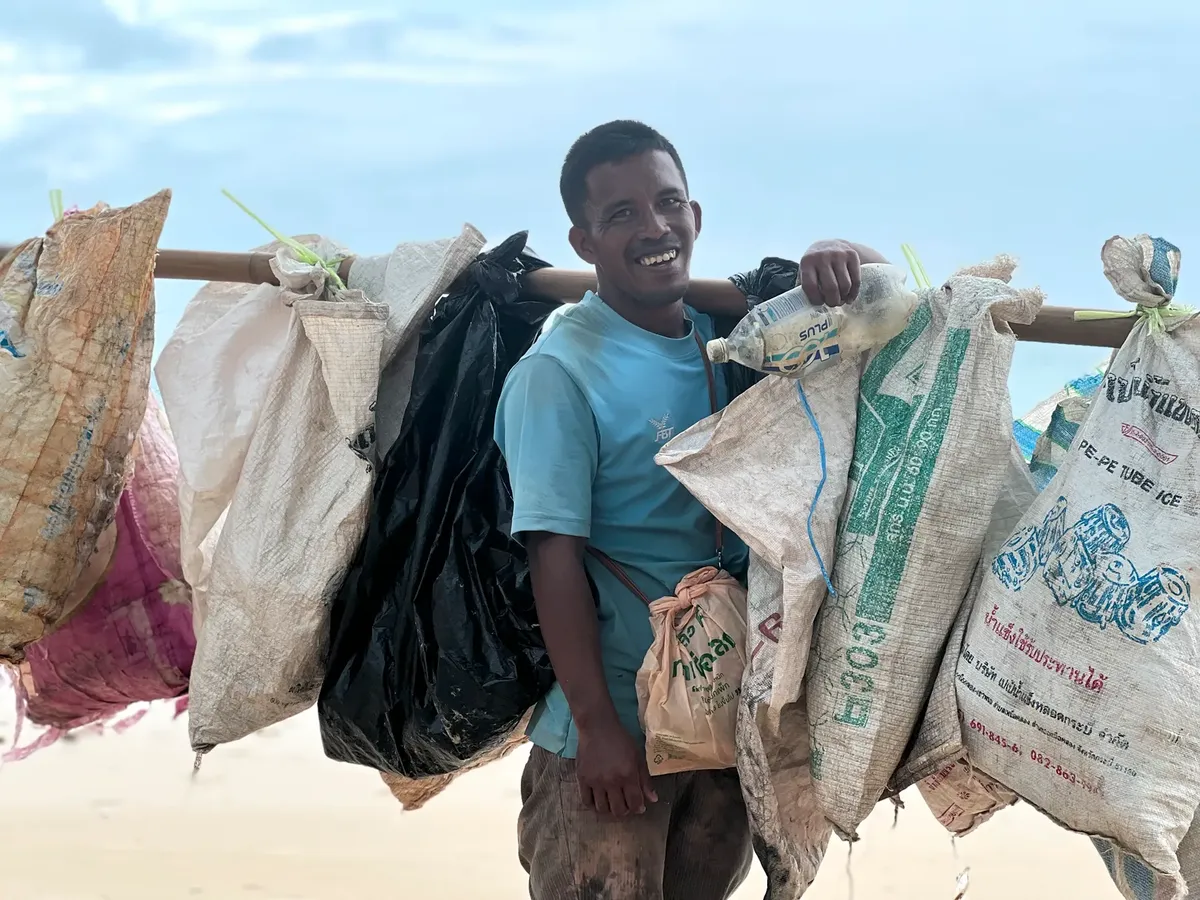
* Investment in smart city infrastructure in Chiang Mai. * Efforts to reduce plastic waste through agency coordination. * Historical focus on research and development in science. * Management of industrial and energy-related emissions.
How is Thailand investing in smart cities?
A technician adjusts a sensor in a bustling urban center to ensure connectivity.
In February 2017, the Digital Economy Promotion Agency (DEPA) announced that 36.5 million baht would be invested into developing Chiang Mai into an innovation-driven "smart city." This investment aims to integrate technology into urban management to improve living standards.
Developing clean tech in Thailand involves utilizing these digital frameworks to manage resources more efficiently. Such smart city initiatives serve as a foundation for broader environmental solutions. The focus remains on using data to drive urban sustainability.
What is the status of research and development in Thailand? Thailand new cleanup tech
A scientist peers through a microscope in a quiet laboratory setting.
According to the National Research Council of Thailand, the country devoted 1.1% of its GDP to the research and development of science in 2019, with over 166,788 research and development personnel in full-time equivalent that year.
This human capital is essential for creating localized solutions to pollution.

Thai solutions for pollution often stem from these scientific investments. By fostering a workforce of researchers, the nation builds the capacity to tackle complex ecological issues. These personnel work to translate laboratory findings into practical environmental tools.
According to World Bank, the 2024 record includes 90.9%.
How has plastic waste management progressed?
A worker gathers recycled materials in a bright sorting facility. On World Environment Day 2019, 5 June, the Pollution Control Department (PCD) said that the first year of the country's effort to reduce plastic waste has been a success.
This milestone marked a significant step in managing the lifecycle of consumer goods.
Thailand green tech news often highlights these specific successes in waste reduction. The coordination between government agencies and local efforts helps manage the flow of plastic. Such successes provide a blueprint for future waste management strategies.
What are the technological trends in the economy?
An engineer monitors a high-tech manufacturing line in a modern factory. According to World Bank data, Thailand recorded a high-technology share of manufactured exports of 28.3% in 2024.
This high level of technical output suggests a strong potential for integrating environmental technologies into the industrial sector.
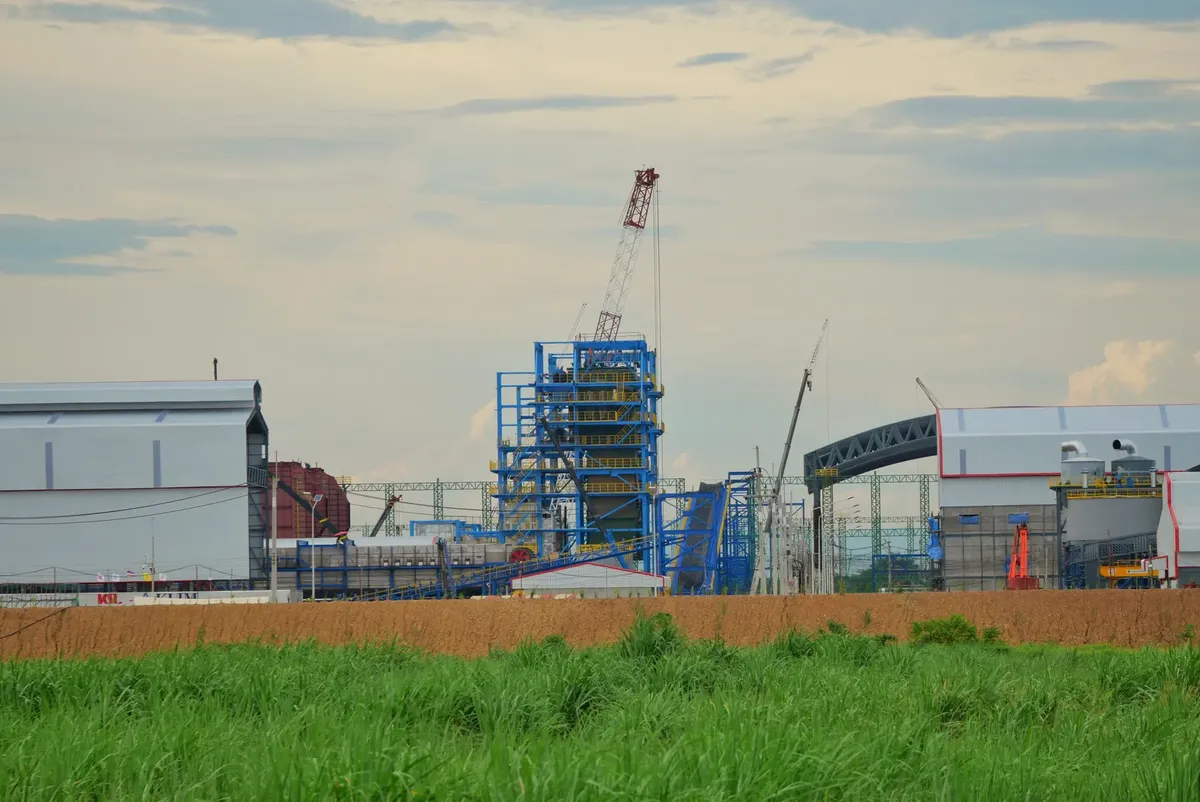
Advanced waste removal Thai processes could eventually be integrated into these high-tech manufacturing streams. The existing industrial strength provides the infrastructure necessary for adopting new green technologies. This economic base supports the transition toward cleaner production methods.
What is the scale of digital connectivity in the country?
A person uses a smartphone to access services in a crowded marketplace. According to World Bank data, Thailand recorded a share of internet users of 90.9% in 2024.
This high level of connectivity allows for the rapid dissemination of environmental information and the implementation of digital monitoring tools.
Future Thai environment management will likely rely heavily on this widespread digital access. Connectivity enables real-time data collection and public engagement with environmental initiatives. This digital landscape is a key component of modern environmental management.
How do these factors combine for environmental cleanup?
A group of researchers gathers around a table to discuss data. The combination of smart city investment, high-tech manufacturing, and widespread digital connectivity creates a unique environment for technological growth. These elements work together to support the development of new cleanup methods.
| Category | Value |
|---|---|
| High-technology share of exports (2024) | 28.3% |
| Internet user share (2024) | 90.9% |
I noticed that the high percentage of internet users provides a massive platform for communicating new environmental standards. The existing technological and digital infrastructure provides the necessary tools for these developments.
- How is Thailand investing in smart cities?
- What is the status of research and development in Thailand?
- How has plastic waste management progressed?
The subject here is Thailand new cleanup tech.
The same subject is also called Thai environmental tech.
The same subject is also called Pollution cleanup innovation.
Thai solutions for pollution
Related
- Thailand farming new tech: Guide to digital connectivity
- How is the Thai travel industry plan targeting new regions?
What conditions foster the pursuit of cleaner environments? 1. The integration of technology into urban management improves living standards within smart city frameworks. 2. The capacity to tackle complex ecological issues is built by fostering a workforce of researchers. 3. The high level of connectivity allows for the rapid dissemination of environmental information.
These elements combine to support the development of new cleanup methods, furthering the pursuit of cleaner air and water. The existing technological and digital infrastructure provides the necessary tools for these developments, aiding the pursuit.
The coordination between government agencies and local efforts helps manage the flow of plastic, marking a significant step in managing the lifecycle of consumer goods. This coordination assists in the pursuit of cleaner outcomes.


Comments 0