Urban Shift: 45.7% of Thais Live in Cities, Here's Why
"The identity of a nation is often written in the census, but its soul is found in the people who call its heartland home."
Thailand stands as a complex tapestry of diverse ethnic roots, yet the cultural and political pulse of the nation has long been driven by the Central Thai identity.
As the country navigates the complexities of the 21st century, understanding the sheer scale of its population and the shifting demographics of its core groups is essential to grasping the future of Southeast Asia.
* Thailand’s total population remains substantial, with recent estimates placing the figure over 71 million people. * The nation is experiencing a significant demographic transition, moving from high growth rates to an aging population. * Urbanization remains a dominant trend, with nearly half of the population residing in metropolitan areas like the Bangkok region. * Modern life is highly connected, with internet penetration rates nearing 91%.
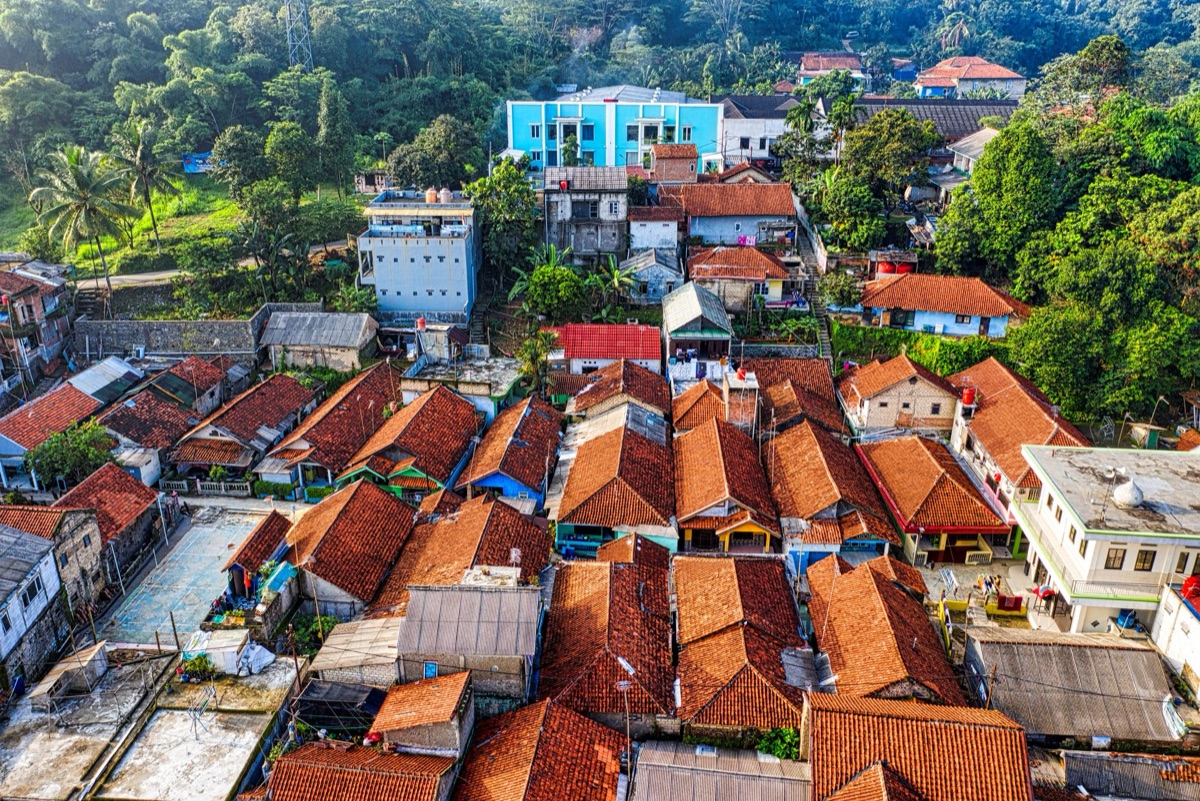
How large is the Thai demographic core?
A traveler standing in the middle of a bustling Bangkok intersection might feel the sheer weight of millions of lives intersecting in a single moment. The heat of the afternoon sun hits the pavement as the sheer scale of the human collective becomes apparent.
According to World Bank data, Thailand recorded a total population of 71,619,863 in 2025. This massive human resource forms the foundation of the nation's economic and social power.
Earlier in the same year, the scale of the nation was already clearly defined. The population of Thailand was 65.95 million on 8 January 2025 as per the Department of Provincial Administration.
These figures highlight a nation that has transitioned from the rapid growth of the late 20th century into a more stabilized, though aging, demographic phase.
While various ethnic groups contribute to the national fabric, the Central Thai population has historically served as the linguistic and cultural anchor.
This group's influence on the national identity is profound, shaping the laws, the language, and the social norms that define the country to the outside world. But as the numbers shift, the physical location of these people is also changing.
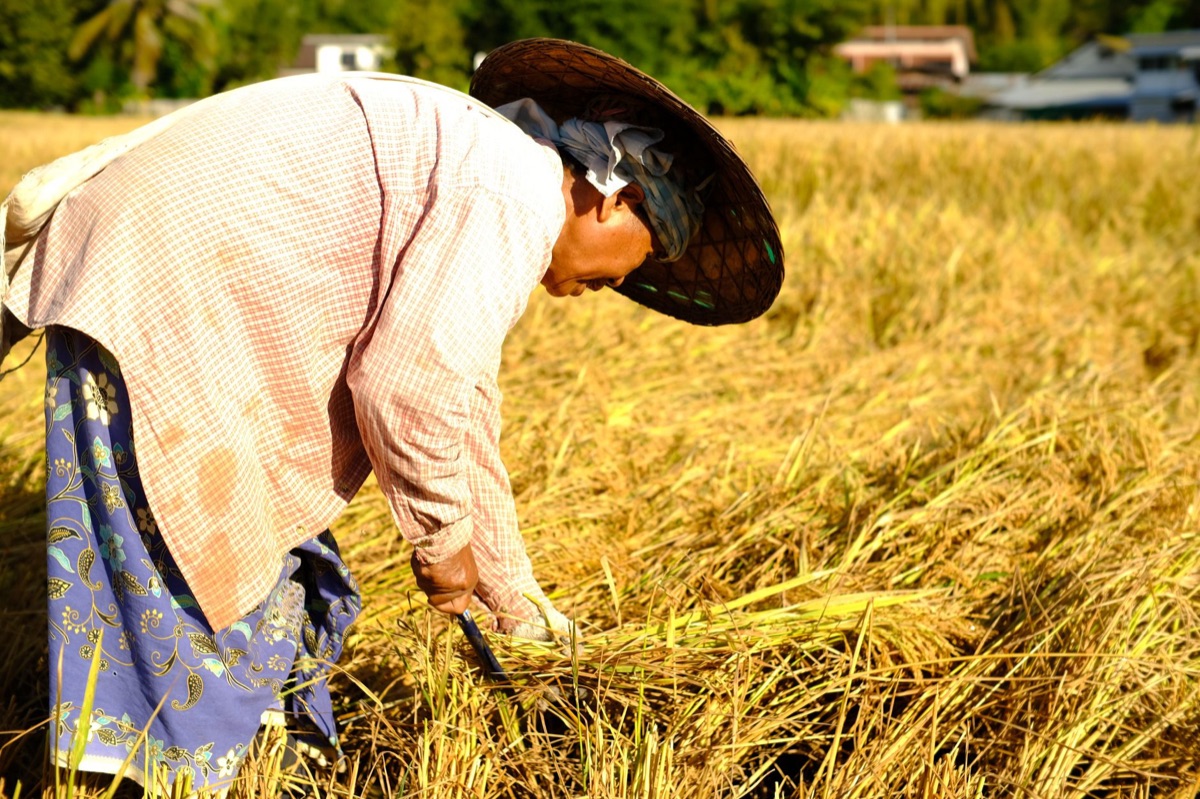
Why is everyone moving to the city?
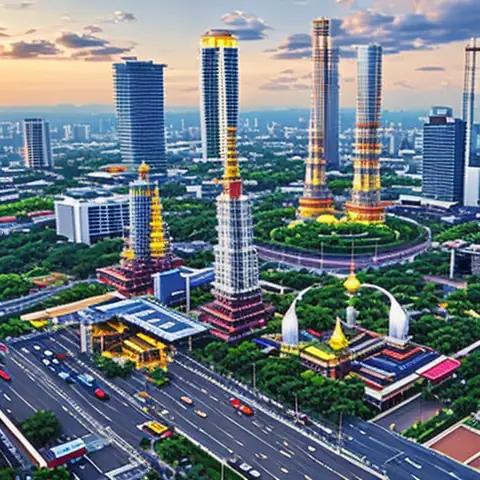
Walking through the narrow alleys of a traditional market, one might notice the mix of old-world charm and the sudden appearance of high-rise glass towers. The transition from rural life to the city is visible in every corner of the capital.
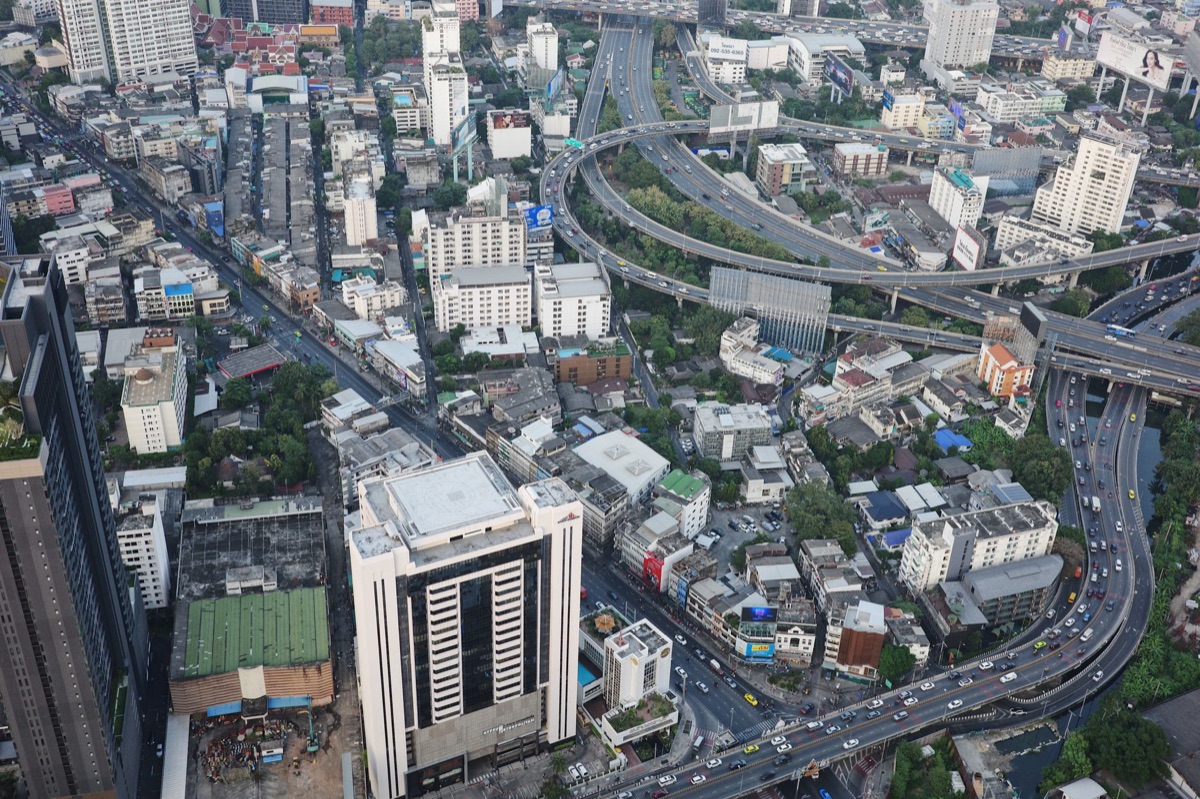
The movement toward metropolitan hubs has fundamentally altered the social landscape. In 2010, the urban population—principally in the Bangkok Metropolitan Region—was 45.7 percent of the total population according to the National Economic and Social Development Board (NESDB).
This concentration of people in the central plains has created a massive economic engine but has also led to a thinning of the population in more remote provinces. The density of the central region makes it the primary driver of the nation's GDP and technological advancement.
| Demographic Metric | Statistical Value |
|---|---|
| Total Population (2025) | 71,619,863 |
| Urban Population (2010 Baseline) | 54.7% |
| Internet Penetration (2024) | 90.9% |
As the population moves toward the center, the traditional ways of life face new pressures from the sheer volume of people. However, the physical move to the city is only half the story; the digital move is just as significant.
How does the digital connection shape a nation?
Sitting in a quiet cafe in Chiang Mai or a crowded terminal in Bangkok, the glow of smartphone screens is the one constant. Almost everyone around you is digitally tethered to the global community.
This connectivity is not just a convenience; it is a pillar of modern Thai life. According to World Bank data, Thailand recorded a share of internet users of 90.9% in 2024. This high level of connectivity facilitates everything from e-commerce to the rapid spread of cultural trends.
The digital landscape allows the Central Thai identity to project itself outward, while also allowing smaller ethnic groups to maintain their own digital communities. This tension between national cohesion and local identity is managed through the screens of nearly every citizen.
The ease of communication has also changed how the economy functions, moving from physical marketplaces to digital platforms. This shift supports a new kind of industrial power.
How does technology drive the economy?
The sound of heavy machinery humming in an industrial park outside the city limits provides a rhythmic backdrop to the nation's economic progress. Workers in clean-room environments handle components that travel across the globe.
The nation has successfully transitioned from purely agrarian roots to a high-tech manufacturing hub. According to World Bank data, Thailand recorded a high-technology share of manufactured exports of 28.3% in 2024.
This technological shift supports the urbanized workforce and provides the economic stability necessary to manage a growing middle class. The ability to export high-value goods ensures that the central regions can sustain their massive populations.
However, this reliance on technology and manufacturing requires a workforce that is increasingly educated and technically proficient. This leads us to the physical space where this growth happens.
What defines the geography of the heartland?
Driving through the vast, flat plains of the central region, the horizon seems to stretch endlessly toward the mountains in the distance. The greenery of the rice paddens meets the clear blue of the sky in a perfect line.
The sheer size of the central region provides the space necessary for such a large population to exist. The total area of this central region is 67,473 km2 (26,051 sq mi), while the total forest area is 22,374 km2 (8,639 sq mi) or 33.2 percent of this regional area.
This balance of land use is critical. The agricultural productivity of the central plains has historically fed the nation, while the urban centers provide the administrative and economic structure.
As the population grows and shifts, the management of these lands becomes a matter of national importance. This brings us to the ultimate challenge of the coming decades.
How will the future of Thai identity be navigated?
A young professional in a tailored suit walks briskly toward a monorail station, checking a watch as the city pulses around them. The intersection of tradition and the future is a daily reality.
The demographic transition from the 20th century to the 21st is nearly complete. The nation's successful government-sponsored family planning program has resulted in a decline in birth rates, leading to the current focus on aging-society policies.
When I traveled through the central provinces last year, I saw the aging workforce firsthand—older hands tending to fields while the youth moved toward the bright lights of the capital.
To understand the future of the Thai identity, one must look at how the dominant central population interacts with the aging trend and the technological revolution.
To navigate this transition, policymakers and citizens are focusing on these key areas:
- Monitor the aging-to-working-age ratio to ensure economic stability.
- Manage the continued migration from rural provinces to the Bangkok Metropolitan Region.
- Integrate high-tech manufacturing with the existing labor force.
- Maintain the linguistic and cultural cohesion of the central identity within a digital-first society.
The balance between the sheer number of people and the technological tools they use will define the next decade of Thai history.


Comments 0