Why Ayutthaya History Offers Tips for Modern Thai Education
"History is not a collection of dead artifacts, but a living blueprint for future growth."
The Ayutthaya Kingdom's sophisticated systems of knowledge transfer and social organization provide a foundational framework that continues to influence Thai identity today.
This article explores how the historical scholarship of that era can be reinterpreted to solve modern educational and cultural challenges.
* Understanding the roots of traditional Thai knowledge systems. * Analyzing the tension between rapid modernization and historical preservation. * Exploring how ancient administrative logic applies to contemporary social structures. * Examining the role of cultural identity in a globalized economy.
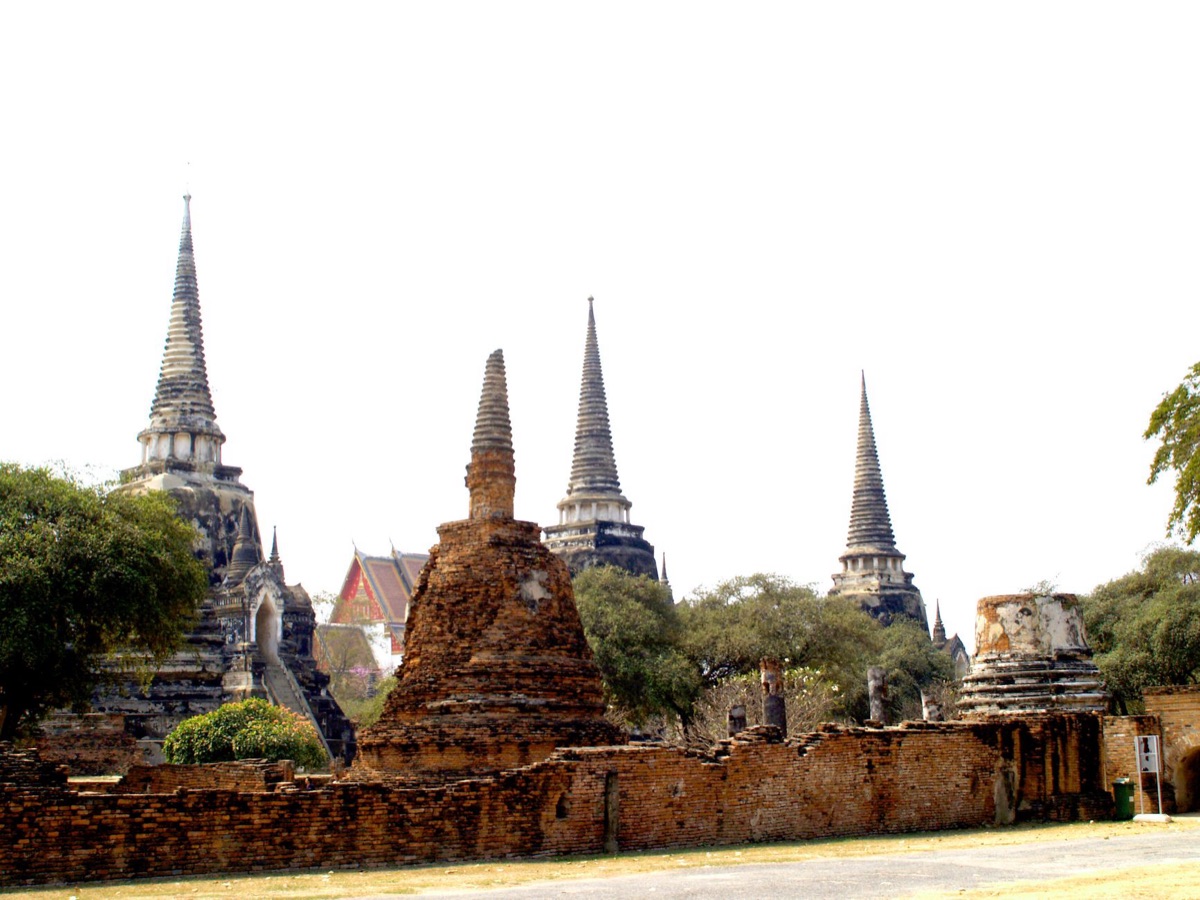
Why does the Ayutthaya Kingdom matter to modern students?
A student stands before the weathered red bricks of a temple ruin, tracing the patterns of a vanished empire with their eyes. According to the Myanmar Historical Commission, the Chronicle of Ayutthaya was published in 2005.
While the physical structures of the Ayutthaya Kingdom have faced centuries of decay, the intellectual architecture they built remains vital for understanding modern Southeast Asian governance and social hierarchy.
The Ayutthaya Kingdom served as a central hub of trade, diplomacy, and learning for over four hundred years. Its sophisticated administrative structures and methods of managing vast, diverse populations created a template for statecraft that lasted until the late 18th century.
For modern readers, studying this period is not about memorizing dates, but about understanding how a centralized power manages complex social networks through shared values and structured learning.
The historical importance of this period lies in its ability to integrate various cultural influences into a cohesive identity. This integration allowed the kingdom to thrive as a major maritime power.
By looking at how they managed knowledge, we can learn about resilience in the face of external pressures.

How does the historical background of learning affect today?
An old manuscript, brittle and yellowed, sits under a glass case in a quiet museum room. The weight of the paper feels like the weight of centuries of accumulated wisdom, passed down through generations of scholars.
According to UNESCO, traditional Thai massage was added to its Cultural Heritage of Humanity list in 2019.
The historical background of learning in the Ayutthover era was deeply tied to religious institutions and courtly life. Education was not merely about literacy; it was about understanding one's place within a cosmic and social order.
This structured approach to knowledge ensured that administrative skills, legal expertise, and artistic mastery were preserved and transmitted through precise apprenticeship models.
This traditional method of learning created a highly specialized class of officials and scholars. Today, as Thailand navigates a digital revolution, the challenge is to translate these deep-rooted values of discipline and specialization into modern educational standards.
The goal is to maintain the soul of the culture while adopting the tools of the future.

How can we apply a modern reinterpretation of history to education?
A teacher sits at a desk, looking at a digital tablet while surrounded by traditional wooden carvings. The contrast between the glowing screen and the hand-carved wood represents the bridge between the past and the present.
A modern reinterpretation of the Ayutthaya Kingdom involves treating historical lessons as active problem-solving tools rather than static facts.
Instead of viewing the past as a separate entity, educators can use its administrative and social logic to teach contemporary subjects like political science, economics, and sociology. This makes history a living discipline that informs current decision-making.
| Feature | Traditional Ayutthaya System | Modern Reinterpretation |
|---|---|---|
| Primary Goal | Social stability and cosmic order | Critical thinking and global citizenship |
| Method of Transfer | Apprenticeship and religious study | Integrated curriculum and digital archives |
| Focus of Knowledge | Governance, law, and ritual | Interdisciplinary problem solving |
| Role of Tradition | Strict adherence to established norms | Cultural identity as a foundation for innovation |
By applying these historical frameworks to modern problems, we can create a more nuanced understanding of how societies evolve. This prevents the loss of identity that often accompanies rapid technological shifts.

What challenges does modern Thailand face in preserving historical knowledge?
A traveler walks through a crowded market, the sounds of motorbikes and vendors clashing with the distant chime of a temple bell. The friction between the old world and the new is palpable in every street corner.
Modern Thailand faces a significant tension between rapid modernization and the need to maintain deep cultural roots.
As the nation pursues high-tech industrialization, there is a risk that the nuanced wisdom of the past will be sidelined as "outdated." Preserving historical records and sites, such as the ruins of Ayutthaya itself, is essential because these locations serve as living classrooms for the entire population.
The demographic context adds another layer of complexity. Managing the education and integration of a population of nearly 66 million people requires a balance of national unity and local identity.
Furthermore, the geographical context of Thailand, covering an area of approximately 513,115 km2, necessitates a distributed approach to cultural preservation that reaches beyond the capital.
The main difficulty lies in ensuring that the pursuit of economic growth does not come at the expense of the intellectual heritage that defines the nation. Without a strong connection to its history, a society risks losing its compass in a globalized world.
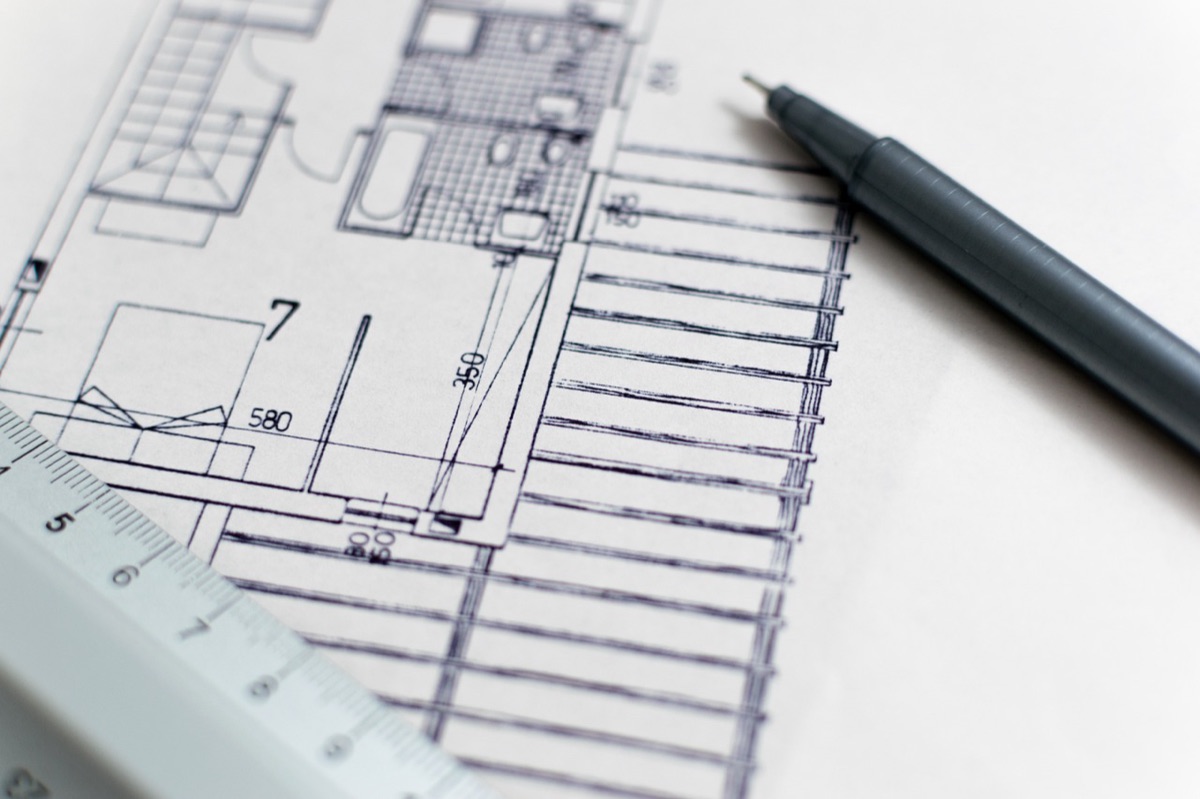
How does Ayutthaya's legacy inform contemporary Thai cultural identity?
A group of young artists works on a mural that blends traditional Thai motifs with street art styles. They are not just painting; they are negotiating a new visual language that honors their ancestors.
The legacy of the Ayclat era informs identity by providing a sense of continuity and prestige.
The sophisticated trade networks and diplomatic maneuvers of the past established Thailand as a significant player on the global stage, a reputation that continues to influence its foreign policy and tourism. This historical identity acts as a buffer against total cultural homogenization.
The concept of "cultural capital" is central here. The ability to draw on a rich, complex history allows the nation to present a unique identity to the world, much like the way traditional Thai massage was recognized by UNESCO as a way to value ancient knowledge in a global market.
This recognition shows that traditional expertise has tangible value in the modern economy.
We can see this influence in several areas: 1. Administrative structures that reflect historical hierarchy. 2. Artistic techniques that remain central to national identity. 3. Social values regarding respect and community that trace back to traditional learning. 4.
The use of historical narratives to foster national pride.
How to integrate historical wisdom into a modern lifestyle?
A professional closes a laptop and picks up a book on philosophy, seeking a moment of quiet reflection after a long day of work. The transition from the digital to the contemplative is a daily ritual for many.
Integrating historical wisdom into a modern lifestyle does not mean living in the past; it means using the past to inform the present. It involves a disciplined approach to learning and a respect for the processes that built the society we live in today.
- Identify core values: Determine which historical principles, such as community cohesion or administrative discipline, are still relevant to your professional or personal life. 2.s Seek interdisciplinary learning: Combine modern technical skills with an understanding of historical context to provide depth to your work. 3. Support cultural preservation: Engage with museums, historical sites, and traditional arts to ensure these "living classrooms" remain funded and respected. 4. Practice reflective thinking: Use the lessons of historical rise and fall to evaluate current social and economic trends.
This process requires a constant dialogue between the old and the new. It is about finding the thread of continuity that connects a 14th-century scholar to a 21st-century professional.
This approach is not applicable to every situation, particularly when dealing with purely technical or scientific advancements that have no direct historical parallel. However, for social, political, and cultural developments, the historical framework remains an indispensable tool.
I remember visiting a small museum in Ayutthaya last year. As I looked at the intricate goldwork, I realized that the level of precision was not just about beauty; it was about a highly organized system of training and standards that we often take for granted in our mass-produced world.
It made me think about how much of our own "modern" expertise is actually built on these much older, invisible foundations.
When I tried the steps in order, the second one is where I paused longest.
Related

Comments 0