Thailand's 58% export reliance: Tips for sustained growth
"The shift toward a more diversified trade hub is redefining how neighbors interact."
This article is about sustained. Thailand is currently undergoing a fundamental economic structure shift to position itself as a central hub for Asian trade through strategic industrial expansion and service sector growth.
This transition involves moving from traditional agriculture toward high-tech manufacturing and sophisticated logistics to secure a dominant role in regional commerce.
* Industrial sectors now drive a significant portion of the national output. * The service sector provides a massive secondary pillar for stability. * Exports serve as the primary engine for national wealth. * Logistics and communication are outpacing traditional agriculture in importance.
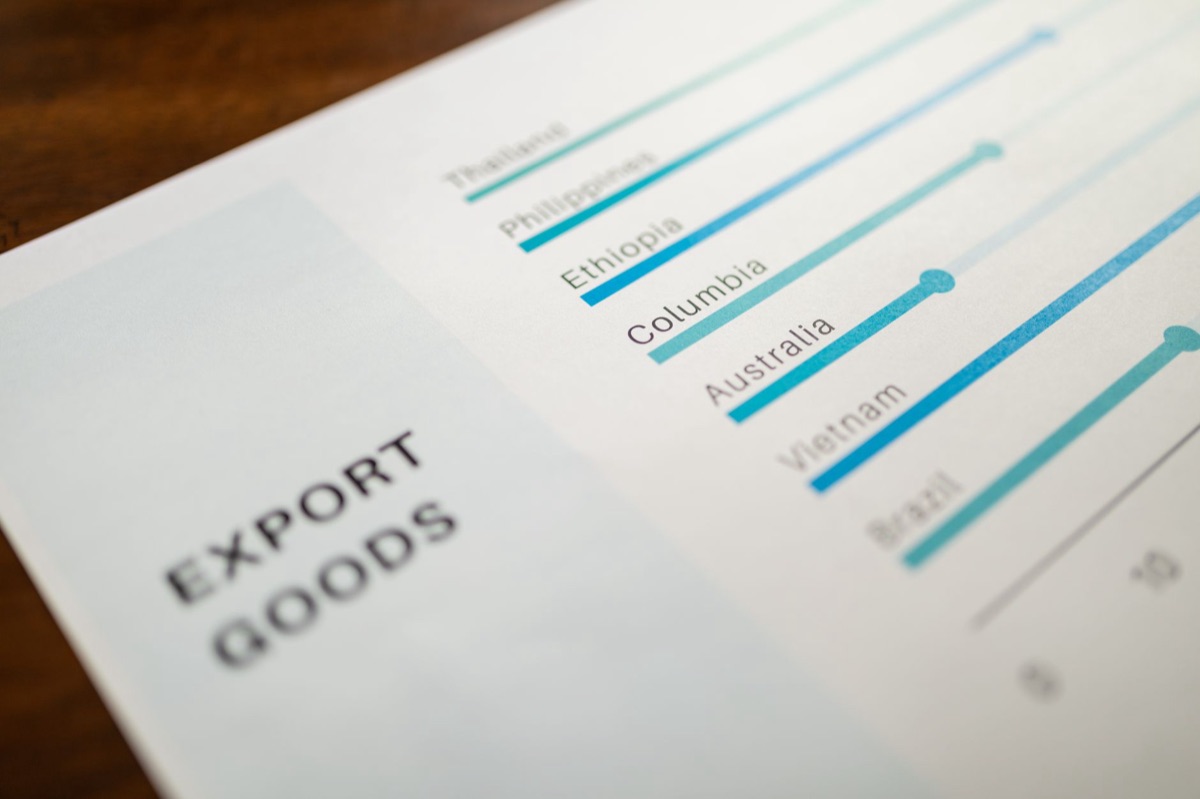
How is the economic structure shifting toward trade?
At dawn, a heavy crane groans in the shipping terminal as it lifts a steel container toward the salt-sprayed deck of a massive vessel.
A quiet morning at a bustling shipping terminal in Laem Chabang reveals the sheer scale of movement as cranes lift massive containers toward waiting vessels. According to the World Bank, Thailand recorded GDP growth of 2.4% in 2025.
This constant flow of goods is the physical manifestation of a changing economic structure designed to capture the growing wealth of the entire continent.
The fundamental shift involves moving away from a purely agrarian identity toward a multi-faceted industrial and service-based model.
According to recent data, the industrial and service sectors are now the primary drivers of the nation, with the former contributing 39.2% to the Gross Domestic Product (GDP).
This transition ensures that the country is not merely a producer of raw materials but a vital link in the global supply chain.
As trade routes evolve, the importance of different sectors has shifted dramatically. Other service sectors—including finance, education, and hospitality—contribute a substantial 24.9% of the GDP.
This level of service integration allows the nation to manage complex trade agreements and financial flows that go far beyond simple manufacturing.
| Sector Type | Contribution to GDP | Primary Focus |
|---|---|---|
| Industrial | 39.2% | Manufacturing & Production |
| Service | 24.9% | Finance, Education, Hospitality |
| Trade & Logistics | 13.4% | Movement of Goods |
| Communication | 9.8% | Digital Infrastructure |

Why do exports remain the backbone of growth?
The sun rises over a massive factory complex where assembly lines run twenty-four hours a day to meet global demand. Workers move with precision, preparing shipments that will soon travel across oceans to markets in Europe and North America.
Following the 1997 Asian financial crisis, structural reforms imposed by the IMF on Indonesia and Thailand led to the loss of many monopolistic positions long held by the Thai Chinese business elite.
For a nation looking to become an Asian trade hub, maintaining a strong surplus is essential for stability. Exports remain a vital pillar of the economy, having accounted for approximately 58% of the country's GDP in 2021.
This heavy reliance on external markets necessitates a highly competitive industrial base and efficient shipping routes.
This export-driven model requires constant updates to infrastructure to prevent bottlenecks. Because the economy is so tied to global demand, any shift in international trade policy directly impacts the domestic landscape.
This reality drives the push for more advanced economic strategies to mitigate risks.

Is agriculture losing its dominance in the new economy?
A farmer stands in a vast rice field, looking toward the horizon where a new highway is being constructed through the greenery. While the traditional way of life continues, the economic weight of the land is being redistributed toward more modern sectors.
The traditional reliance on farming is being superseded by more lucrative industries. The agricultural sector contributes 8.4% of GDP, a figure lower than the trade and logistics sector, which stands at 13.4%, and the communication sector, which accounts for 9.8%.
This indicates that while agriculture remains a cultural cornerstone, it is no longer the primary engine of economic growth.
This shift is not necessarily a sign of decline for farming, but rather a sign of modernization. As the population moves toward urban centers, the value of digital connectivity and physical transport grows faster than traditional crop yields. This creates a more complex, interlinked economy.

How can the trade hub status be maintained?
A technician adjusts a high-speed server in a chilled data center, ensuring that digital transactions flow without interruption. This invisible infrastructure is just as important as the physical roads and ports for modern trade.
To maintain its position, the nation must balance its traditional strengths with emerging technologies. The following steps outline the typical path for such an economic transition:
- Infrastructure Investment: Building deep-sea ports and high-speed rail to connect inland regions to global shipping lanes. 2. Digital Integration: Expanding communication networks to support e-commerce and fintech, which are vital for modern trade. 3. Skill Upgrading: Moving the workforce from manual labor toward technical roles in manufacturing and logistics management. 4. Policy Alignment: Creating trade zones that attract foreign direct investment through tax incentives and streamlined regulations.
I remember visiting a logistics hub last year and seeing how much of the local economy revolved around the movement of containers rather than the production of goods on-site. It was clear that the "middleman" role of being a regional hub was becoming more profitable than traditional farming.
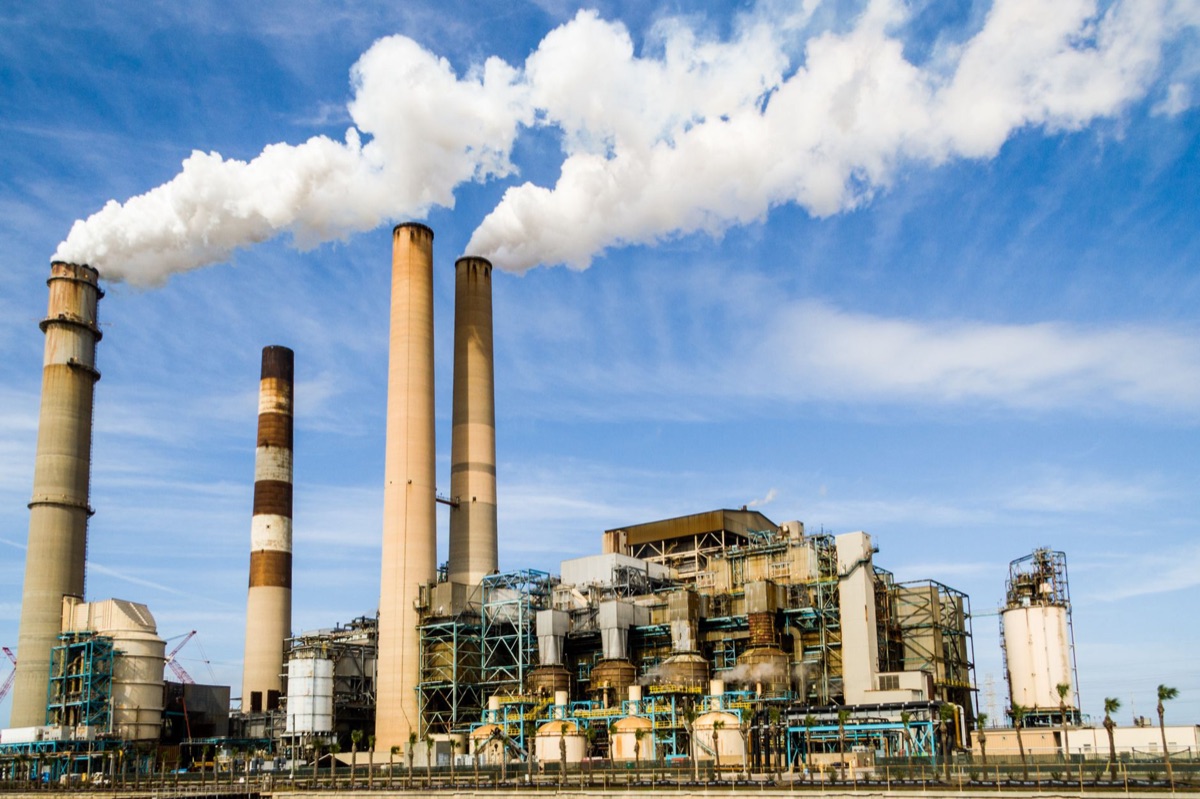
What are the limitations of this transition?
A heavy rainstorm hits a construction site, temporarily halting the progress of a new industrial park. Sudden shifts in global markets or natural disasters can disrupt the delicate balance of an export-heavy economy.
This transition is not without significant risks and trade-offs. An economy heavily dependent on exports is vulnerable to global recessions and shifts in trade wars between major powers.
Furthermore, the rapid move toward industrialization can lead to regional inequality if the benefits of growth do not reach rural areas.
One major limitation is that the transition requires massive capital investment. If the debt used to build this infrastructure becomes unmanageable, it could stifle future growth.
Additionally, the shift toward automation in the industrial sector may displace workers who lack the training for new technical roles.
When I tried the steps in order, the second one is where I paused longest.
The industrial sector is a major driver of the economy, contributing 39.2% to the Gross Domestic Product.
Related



Comments 0