Economic structure guide to navigate global shifts and risks
Thailand's economic landscape currently relies heavily on industrial output and energy sectors, which account for up to 70 percent of the national GDP. "The strength of a nation's economy is often measured by its resilience against global shifts."
This concentration creates significant vulnerability to external shocks, fluctuating energy prices, and global supply chain disruptions.
This article explores the structural realities of the Thai economy, the digital divide affecting its workforce, and the historical volatility caused by global health crises.
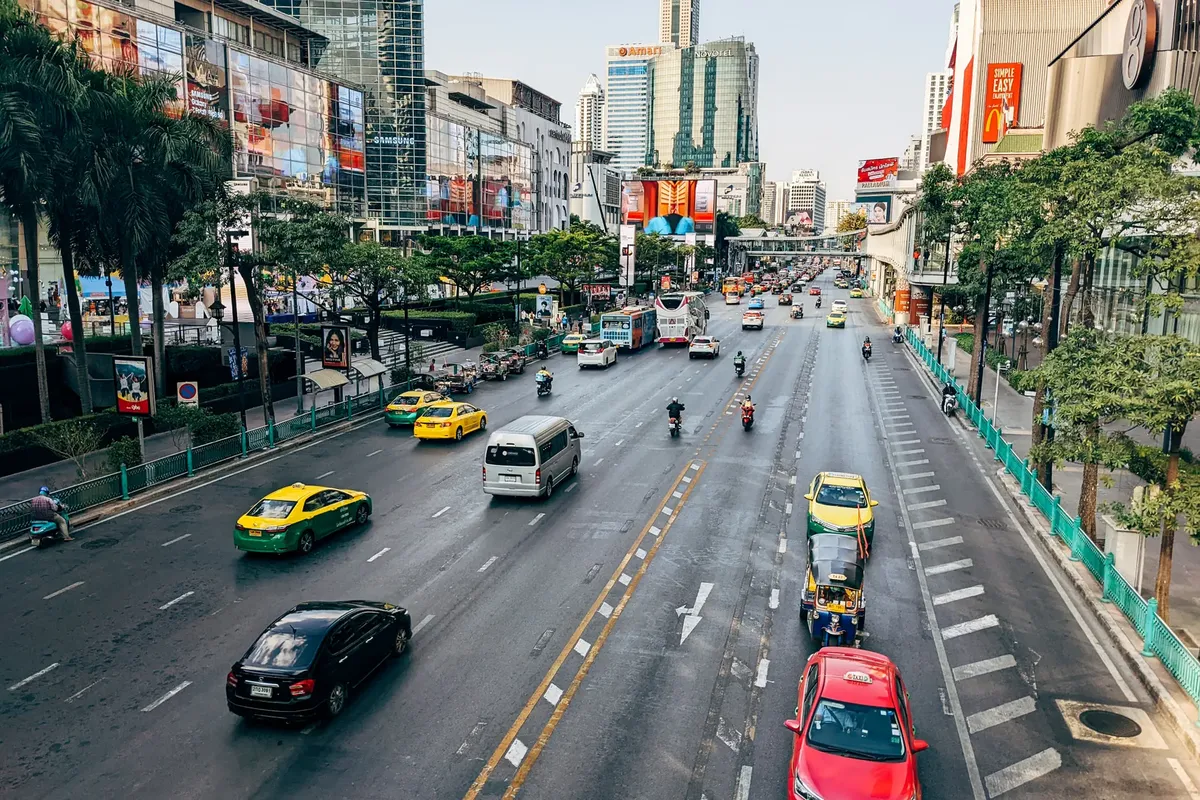
* Heavy industry and energy dominate the GDP at 70 percent. * Digital access remains a hurdle for high-tech workforce development. * External shocks like the 2020 pandemic caused sharp contractions. * The shadow economy represents a significant portion of economic activity.
Why is the industrial sector so dominant?
A worker stands on a factory floor in Rayong, watching the rhythmic movement of heavy machinery under bright fluorescent lights. This reliance on manufacturing creates a massive economic engine but leaves the nation sensitive to global trade shifts.
According to The Heritage Foundation, Thailand was ranked 70 of 177 countries in the Index of Economic Freedom 2022.
The current state of the economy, often described as land 3.0, relies heavily on heavy industry and energy. These sectors account for up to 70 percent of the Thai GDP.
Such a high concentration means that any shift in global energy prices or changes in international manufacturing demand directly impacts the national budget. While this creates jobs, it also creates a single point of failure if global markets pivot away from traditional industrial models.
How does the digital divide affect growth?
A student sits in a rural village, trying to catch a faint Wi-Fi signal on a smartphone to complete an assignment. This struggle represents the gap between urban centers and the rest of the country.
The National Council for Peace and Order's handling of the economy faced increased criticism due to flagging performance at the end of 2015, a period leading into the shifts seen in 2017.
The transition to a high-tech economy is slowed by uneven access to modern tools. According to the data, only 56 percent of Thailand's population has access to the Internet. This creates a significant obstacle to the creation of a high-tech workforce.
Without widespread connectivity, the nation struggles to move from manual labor to the digital services that drive modern wealth. This gap prevents the country from fully participating in the global digital economy.
What happens during a global crisis?

A closed storefront in a bustling Bangkok district sits empty, with dust settling on the windows during a period of sudden economic halt. This scene reflects the fragility of an economy built on movement and tourism. As noted in the FRED/ECOS/KOSIS data, the base rate is 3% as of 2026-10-05.
Sudden external shocks can cause rapid and deep economic declines. In September 2020, the World Bank Group forecasted that the Thai economy would contract 8.9% by the end of the year due to the COVID-19 pandemic.
Such a sharp contraction demonstrates how much the economy relies on external stability and the movement of people. When global travel and trade stop, the impact is felt immediately across all sectors.
What is the role of the shadow economy?
A merchant counts cash in a small, dimly lit stall at a night market, operating outside the formal banking system. This represents the hidden layer of economic activity that exists alongside the official numbers.
Based on the IMF's World Economic Outlook Database, the Thai economy saw an average GDP growth rate of 5.4 percent during the period 1980–1984.
The formal economy does not tell the whole story of how people live and trade. He estimates that Thailand's shadow economy accounted for a significant portion of the total economic activity.
This informal sector provides a safety net for many but complicates government efforts to collect taxes and implement national policies. Understanding the balance between the visible and hidden economy is crucial for long-term planning.
How to navigate these economic shifts?
A policy analyst reviews a stack of reports, looking for patterns in trade data and labor statistics. They prepare to present a strategy to a group of stakeholders.
To better understand the economic environment, one can follow these steps:
- Monitor global energy prices and their impact on manufacturing costs. 2. Track the growth of digital infrastructure and internet penetration rates. 3. Analyze the relationship between the formal GDP and the informal shadow economy.
After completing these steps, check if the current industrial trends align with the projected growth of the digital sector.
I remember looking at these specific figures during a briefing and realizing how much the 70 percent GDP concentration weighed on the future of the workforce.
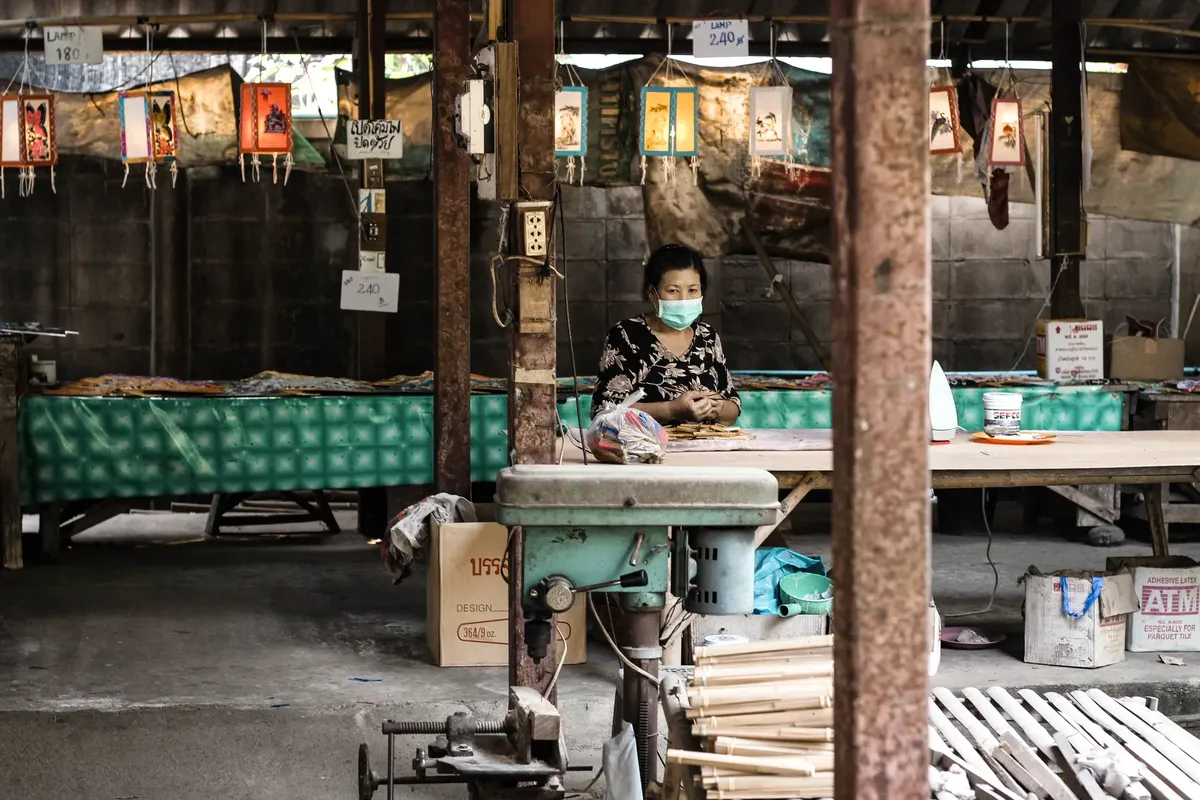
The reliance on heavy industry means that the economic health of the nation is deeply tied to the stability of the energy market. This creates a limitation where the economy may struggle to diversify if energy costs rise too sharply or if the world moves toward different power sources.
When I tried the steps in order, the second one is where I paused longest.
This order does not hold, however, when the figure is not 3.9%.
- Why is the industrial sector so dominant?
- How does the digital divide affect growth?
- What happens during a global crisis?
| Item | Figure |
|---|---|
| 1 | 3.9% |
| 2 | 3.3% |
Related


Comments 0